The everyday things women invented—and the credit they were denied
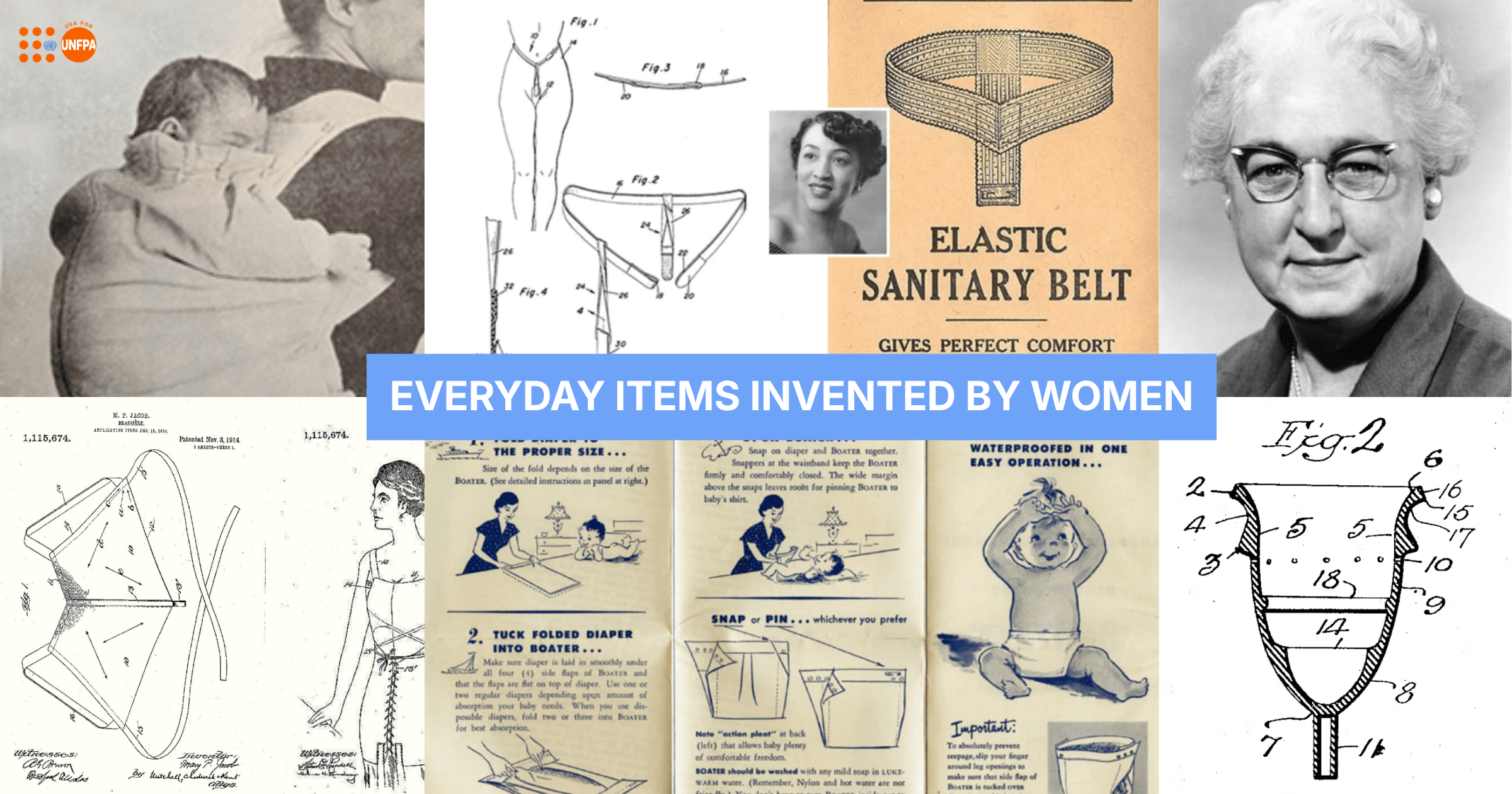
Look around your day and you’ll find at least one thing a woman created. These objects might seem very ordinary, and you’ve probably never thought about who dreamed them up. However, women have been solving problems the people around them had shrugged off or never noticed at all for decades.
And in more cases than you’d expect, those women watched someone else take the credit, the profit, or both.
The bra
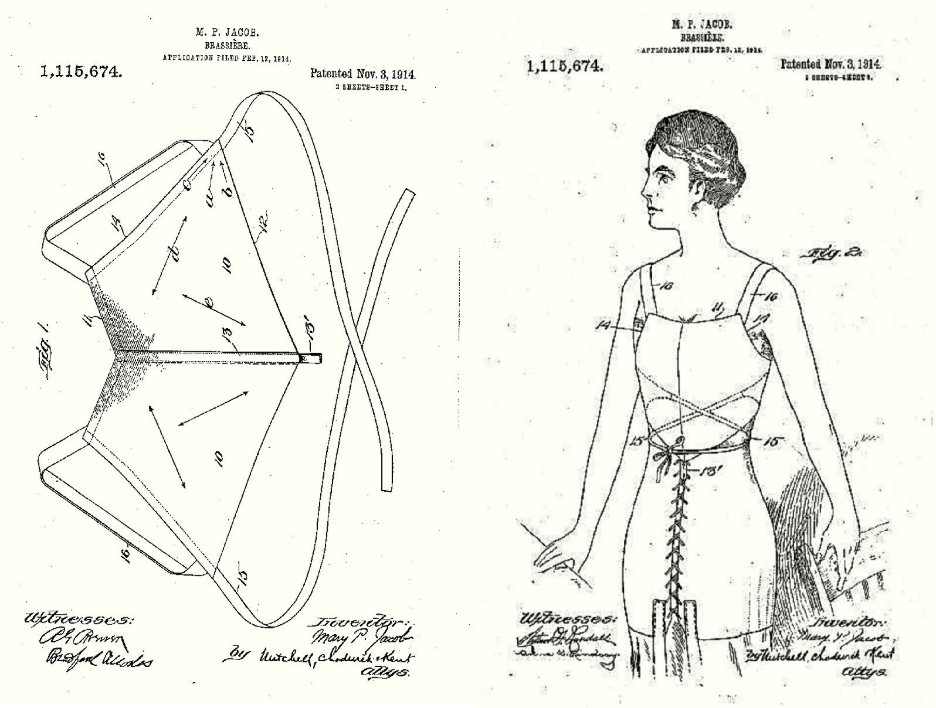
In 1914, a 19-year-old named Mary Phelps Jacob was getting dressed for a party and grew frustrated that her stiff corset kept poking out from underneath her sheer gown. So, she took it upon herself to solve the issue. By grabbing two handkerchiefs and some ribbon, Mary stitched together something much lighter and comfortable to wear underneath.
Her makeshift invention worked so well that several other women wanted one, and so she patented the design—which became the first bra patent ever granted. Her product made getting dressed more comfortable for millions of women who had spent their days laced into corsets, and it kept evolving into the garment nearly every woman wears today.
The menstrual cup
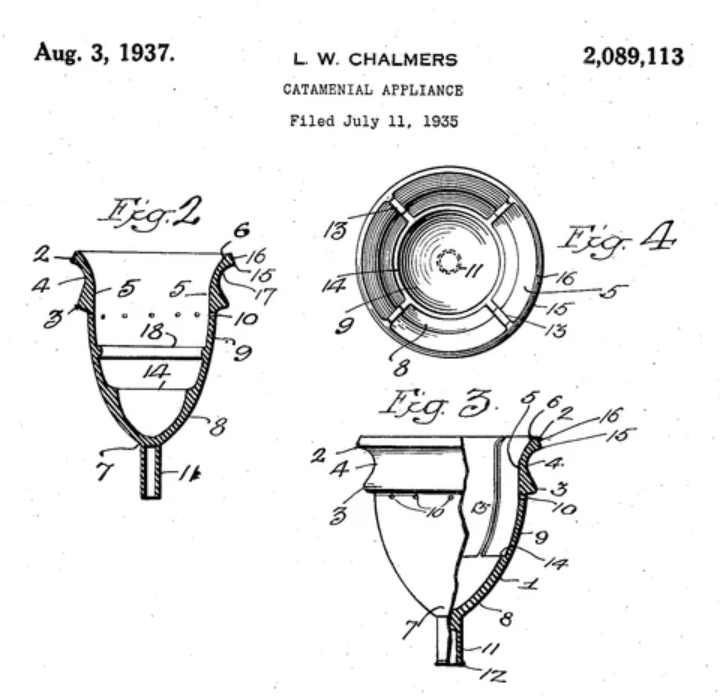
If you noticed reusable period products everywhere lately, here’s a fun fact: the idea is nearly a century old.
Back in 1937—the same year tampons first reached store shelves—an actress and writer named Leona Chalmers designed the first practical, wearable menstrual cup. Earlier attempts had gone nowhere—and hers nearly did too because selling this cup meant talking openly about women’s bodies, which retailers largely refused to do at the time. It took decades for the idea to catch on the way it has now, but nearly every cup on the market today traces back to what Leona made.
The sanitary belt
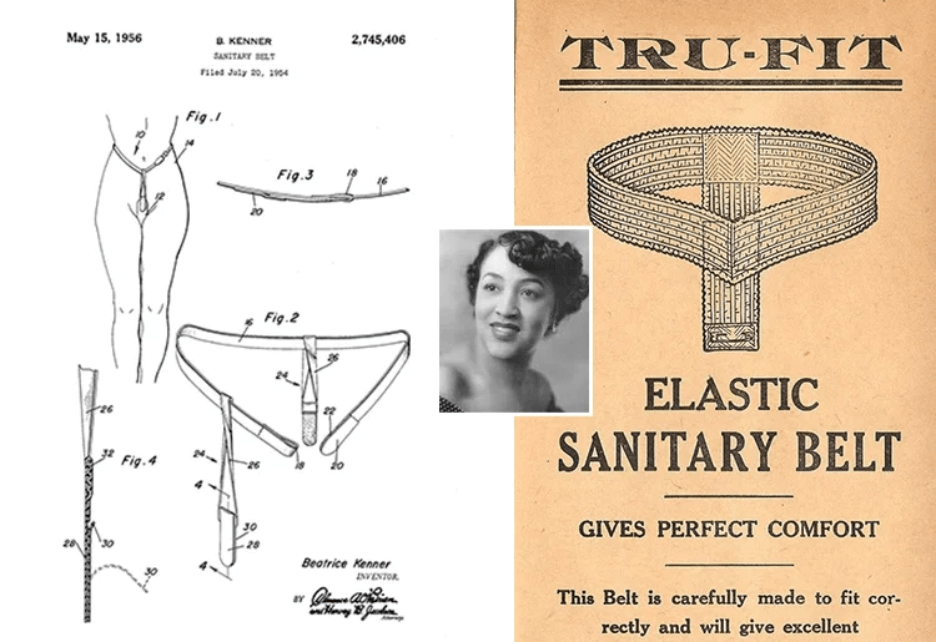
Before menstrual pads had an adhesive strip, they didn’t stay put. In 1956, Mary Beatrice Davidson Kenner fixed that with an adjustable belt that held a pad in place, with a moisture-proof pocket so it wouldn’t shift or leak through onto clothing.
Mary had made something women genuinely needed, so she took it to market. A company came forward, eager to sell it—until they met Mary, realized she was Black, and walked away from the deal. No other company would work with her either.
So her belt sat unmanufactured for years while she held a patent no one would touch. Unfortunately, by the time her patent expired, the design entered the public domain, and anyone was able to produce it for free.
Companies eventually did, while Mary never earned a cent. Racism kept her invention off the market during the exact years she could have profited from it, and by the time the door opened, her chance to profit had closed for good.
Still, none of that stopped Mary. She kept inventing for the rest of her life, earning five patents in all. That’s among the most ever held by a Black woman—an extraordinary number at a time when they were shut out of so much of American life.
The leak-proof diaper
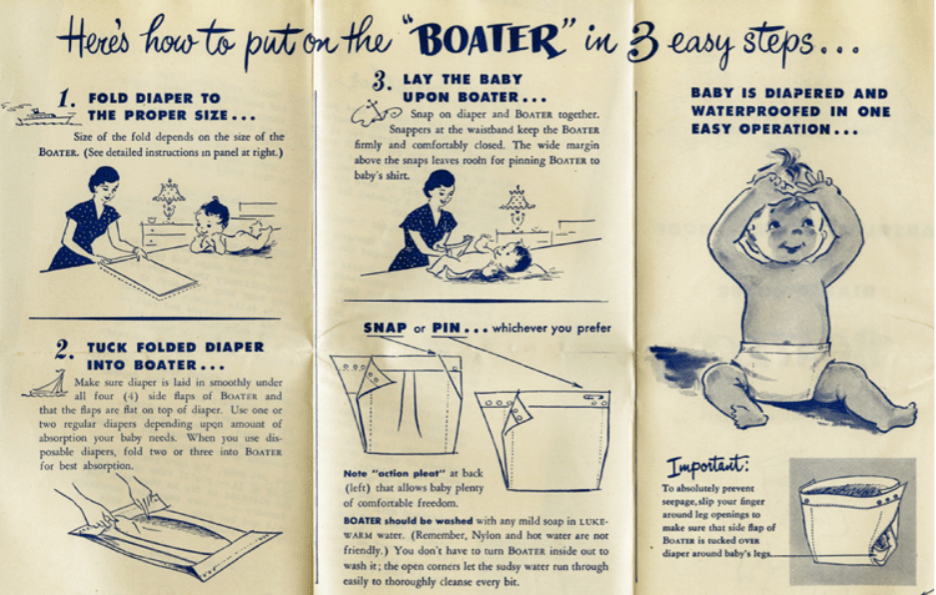
Cloth diapers used to soak through everything babies used, including clothes, blankets, and cribs. So in 1946, a mother named Marion Donovan got fed up and cut up her shower curtain into a makeshift waterproof cover.
She then refined the idea later on, creating a diaper cover made from soft, breathable parachute cloth, with snap fasteners instead of safety pins. Manufacturers dismissed it, so Marion sold it herself through a department store, where it sold out immediately.
A few years later, she designed a fully disposable paper diaper, too—an idea manufacturers also brushed off, but one that directly foreshadowed the disposable diapers that are found on store shelves today.
The baby carrier
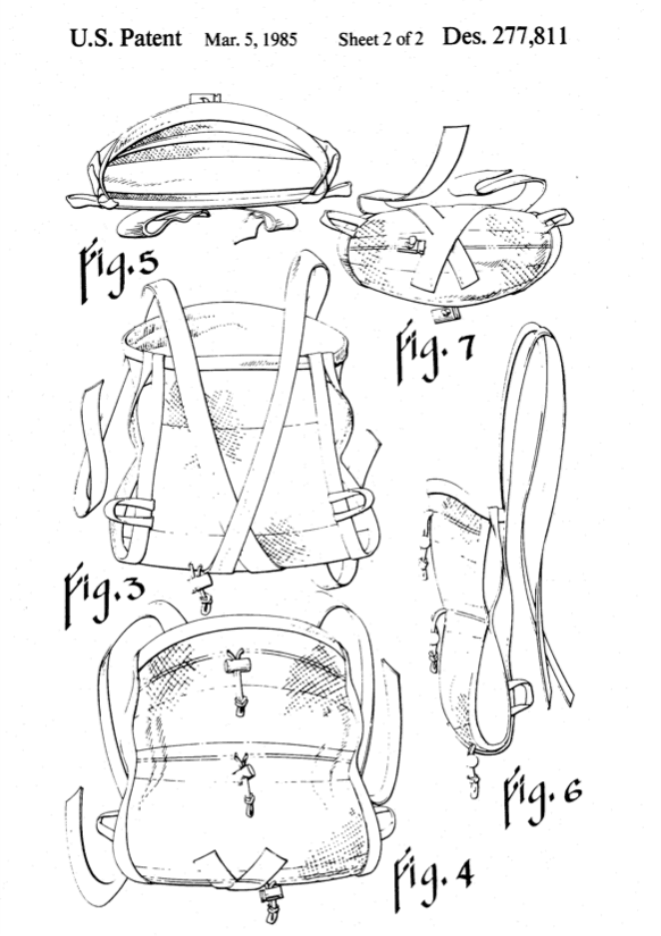
The carrier parents strap on to hold a baby against their chest has deep roots. In the 1960s, Ann Moore served as a nurse in Togo, West Africa, where she watched local mothers carry their babies close in fabric wraps—a practice passed down over generations—and saw how secure and calm the babies were.
When Ann came back home and had her daughter, she wanted to carry her the same way. But without the wrapping technique the Togolese mothers had mastered, the baby kept slipping. So she turned to her own mother, Lucy, and together they shaped an adjustable pouch that held the baby securely against the chest. They officially patented it in 1969 and named it the Snugli.
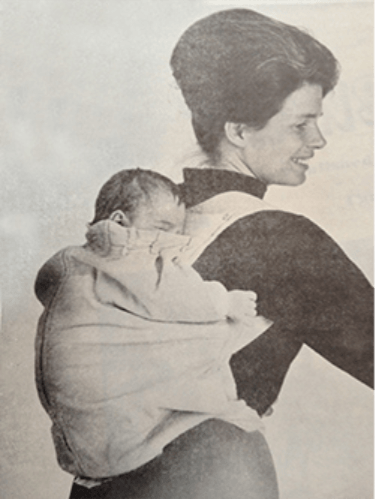
The Snugli grew into a full company, and by the time Ann and Lucy sold it in 1985, more than 1.5 million babies had been carried in one. Through all of it, Ann was clear that the idea was never hers alone—she had carried home something West African mothers had known for generations, and nearly every soft baby carrier sold today descends from it.
The Apgar score
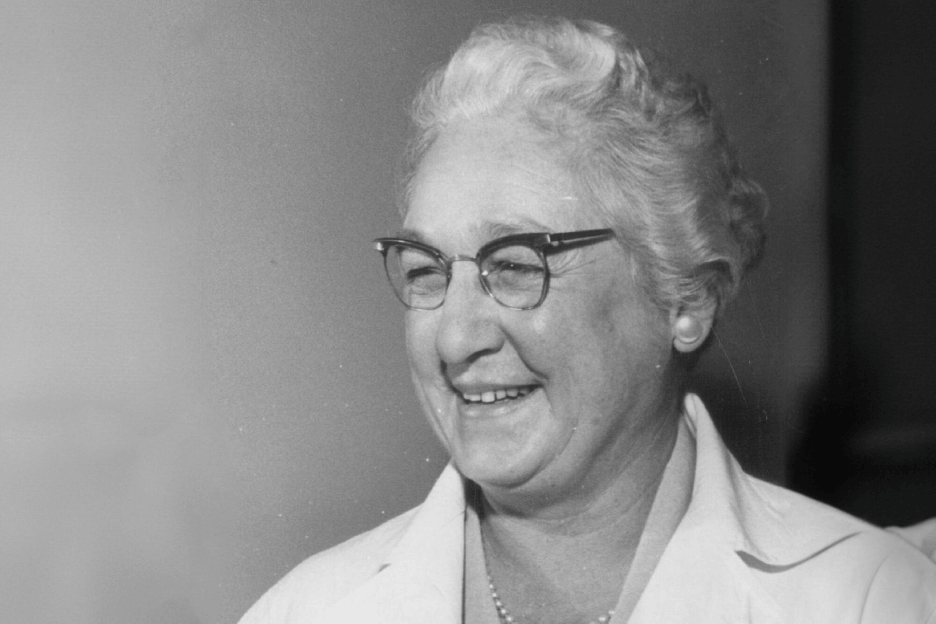
Nearly every baby born in a hospital is checked the same way in the first minute of life. In 1952, Dr. Virginia Apgar created that check—called the Apgar score—which was a fast, simple way to score a newborn’s heart rate, breathing, muscle tone, reflexes, and skin color, and enabled doctors to immediately flag any baby who needed urgent care. Before it, there was no standard method, and newborns in distress were sometimes missed until too late.
Her scoring system is still used today, virtually unchanged, and experts estimate it has saved millions of lives by flagging at-risk newborns for immediate intervention.
The work that’s still unfinished for women and girls
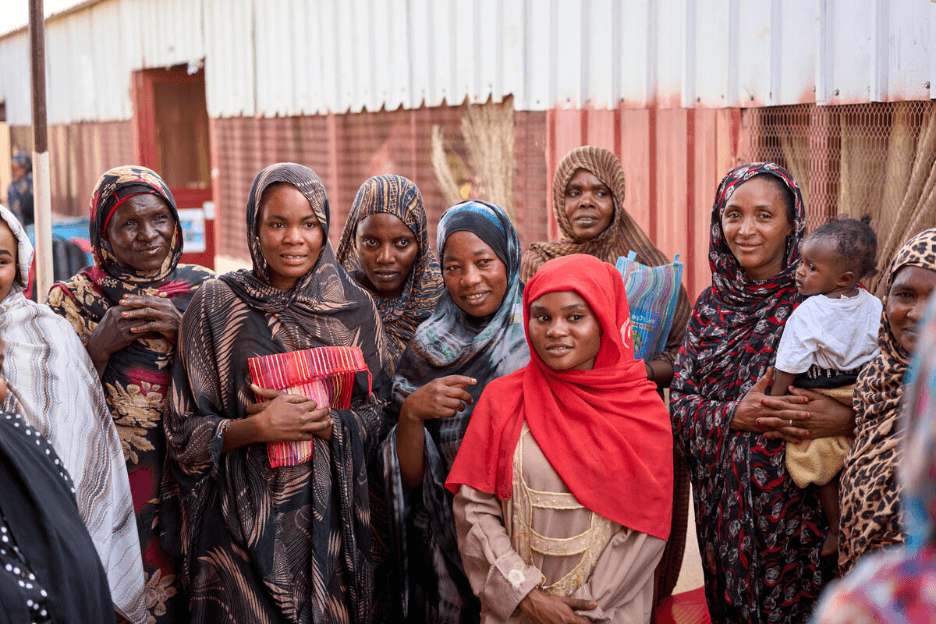
What links these women across a century is one instinct: seeing a real problem for women and girls and solving it. That need hasn’t gone away—in the places where vital health services are hardest to reach, women and girls still go without the care they need.
Those places include some of the world’s most severe crises, like Gaza, Ukraine, and Sudan—where conflict has forced millions from their homes, driven a rise in violence against women, and left mothers to give birth with no hospital in reach.
But just like the inventors above, you can create real, lasting change for millions of women and girls. Here’s what your support can send them right now:
$5 sends an Emergency Birth Kit—a clean sheet to give birth on, gloves, soap, and a blade and tie for the umbilical cord, so a midwife can deliver a baby safely with no hospital in reach.
$15 sends a Dignity Kit—menstrual products, soap, detergent, and fresh clothes—to a woman or girl who has been forced from her home.
$45 sends a Mama Kit for the weeks after birth—diapers, postpartum pads, baby clothes, and blankets for a new mother and her newborn.
The women in this story changed everyday life for the rest of us. Your gift carries that same drive to the women who need it most today. Visit the link below to donate.