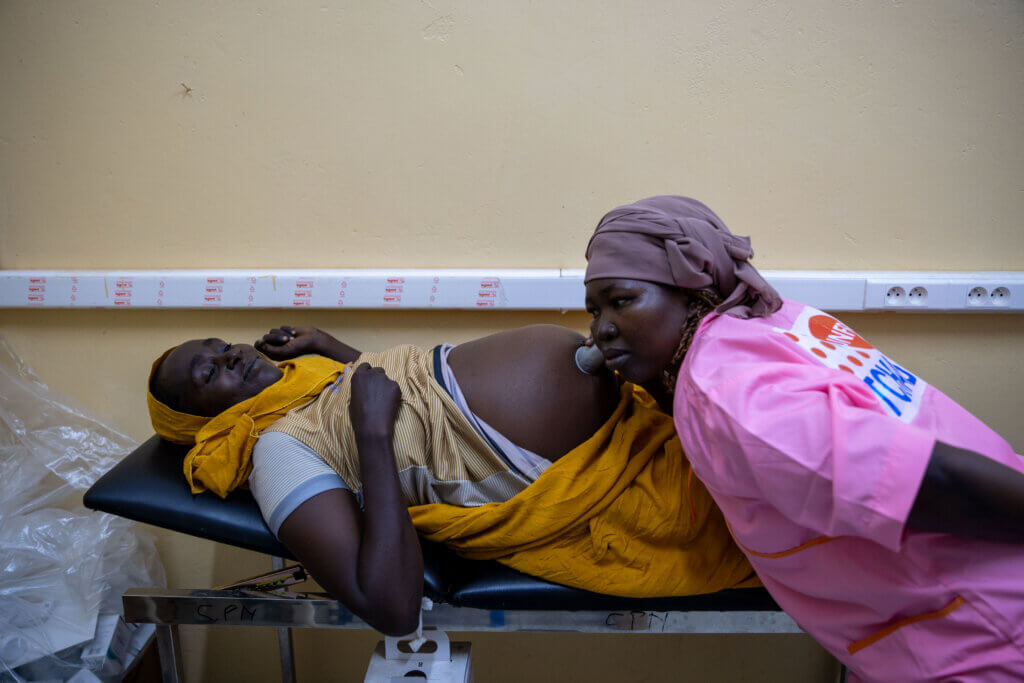
“Every day I work as a midwife. Every day I come into the hospital and the goal of coming to the hospital is to help my sisters who are ill and suffering. I come to help them recover their health and also to help those who are victims of sexual violence. To help them survive because they have gone through difficult stages.”
© UNFPA Chad
With adequate investment, midwives could provide 90% of all sexual and reproductive healthcare to women, girls, and their families, saving up to 4.3 million lives a year.
But even though midwives are vital healthcare providers, they have faced disinvestment, discrimination, and other challenges. Keep reading to learn how we support the lifesaving work of midwives.
What do midwives do?
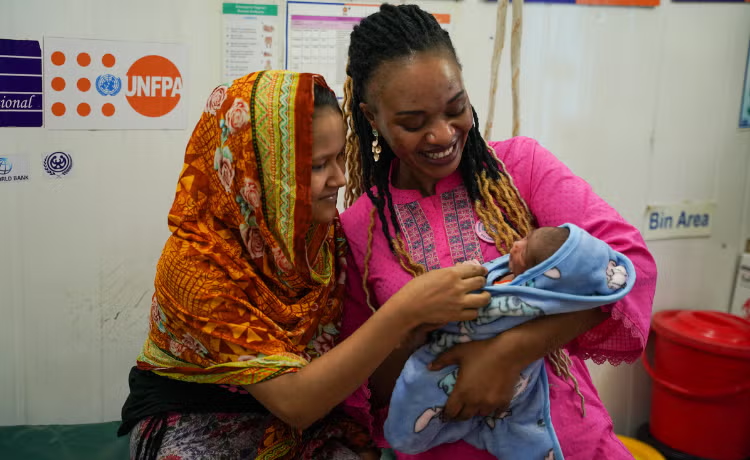
Midwives provide a broad range of services, including prenatal appointments, safe delivery care, post-partum check-ups, birth control consultations, support for survivors of violence, and more.
For some women, their first encounter with a health system occurs when they visit a UNFPA clinic for prenatal or safe delivery care. These critical moments are opportunities for midwives to connect women, their families, and their communities with resources like refugee support programs, nutrition programs, shelters and support for survivors of violence, and cash or voucher assistance.
How many midwives do we need?
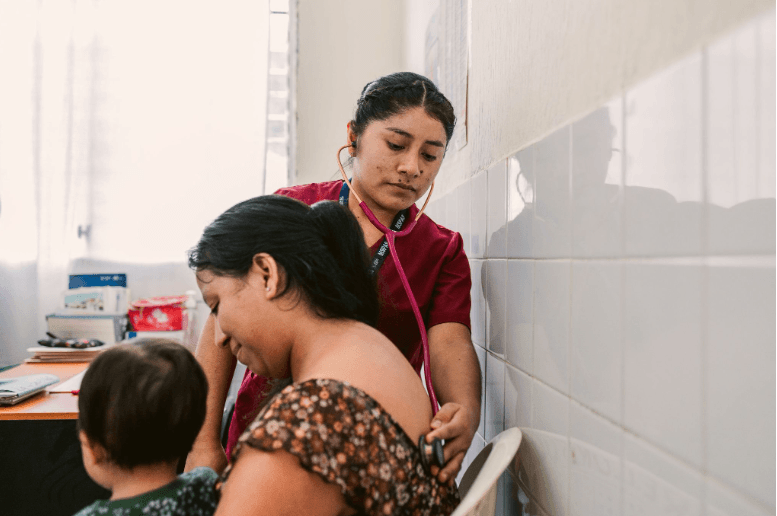
Right now, the world is facing a critical shortage of 1 million midwives.
This represents one-third of the current midwifery workforce. Tragically, the World Health Organization expects the number of missing midwives to grow, as there is not enough investment to support programs that train future midwives, deploy them where they’re needed most, and equip them with supplies and resources once they are in a community.
Midwifery is especially impacted by gender inequality: more than 90% of the world’s midwives are women. This means discrimination in midwifery is especially pronounced. Some researchers have even linked the decline in midwives to the medicalization of birth and to the idea that only doctors, who are more likely to be men than nurses or midwives, are qualified to deliver babies. This is a dangerous myth, and it impacts pregnancies and childbirths across the world today.
Even with constraints, UNFPA is working to train, equip, and deploy midwives in more than 150 countries worldwide.
Training the Next Generation
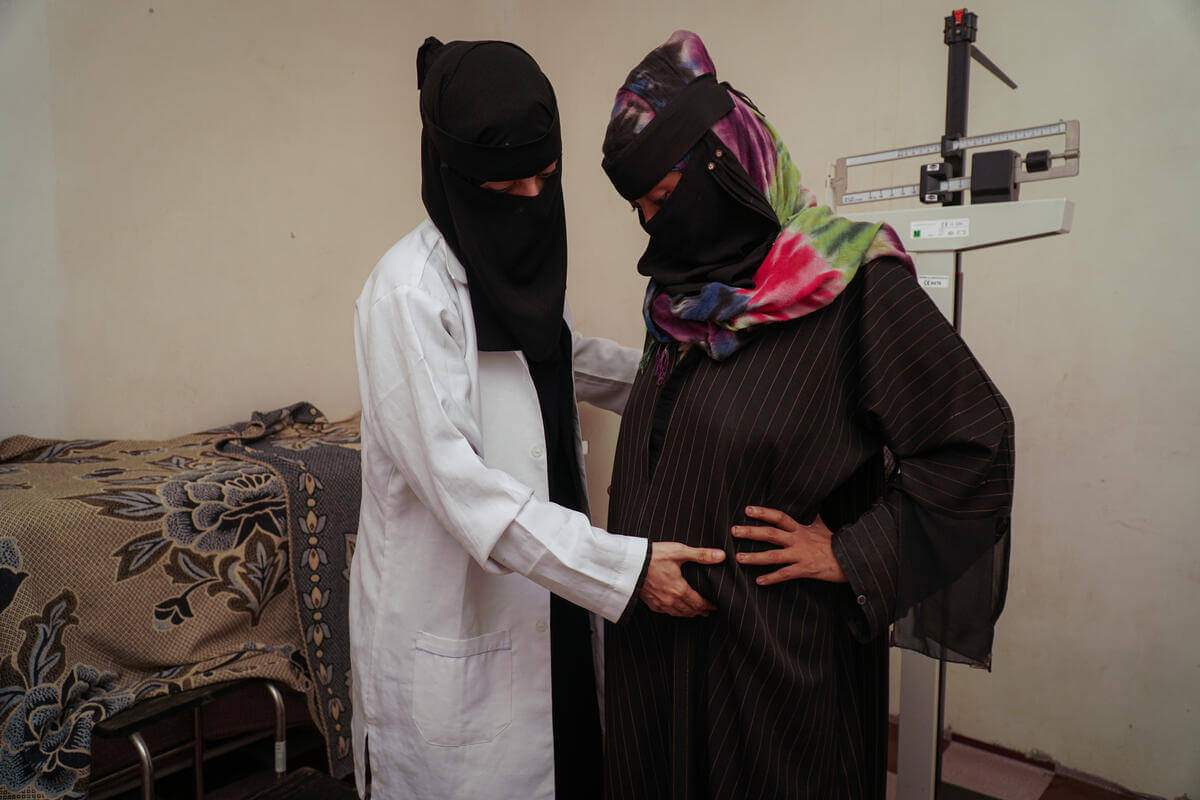
In Yemen, funding cuts have left 2.35 million women and girls without access to sexual and reproductive healthcare as 800 midwives lost their jobs after the U.S. terminated millions in funding for women and girls.
In an effort to reach more new and pregnant mothers, UNFPA is training 100 new midwives over the next three years. Naseem is a recent graduate of the program, and she now works as a midwife in rural Yemen. Despite the challenges, she is committed to providing lifesaving care.
“I will never forget when I witnessed a difficult birth that ended with the mother being paralyzed due to the lack of a qualified midwife. That scene shook me to my core. I realized the immense need to have at least one trained medical professional in every remote village. It was that moment that fuelled my desire to become a midwife, to ensure no other woman would suffer due to the lack of proper care.”
How does the midwifery shortage affect women and girls?
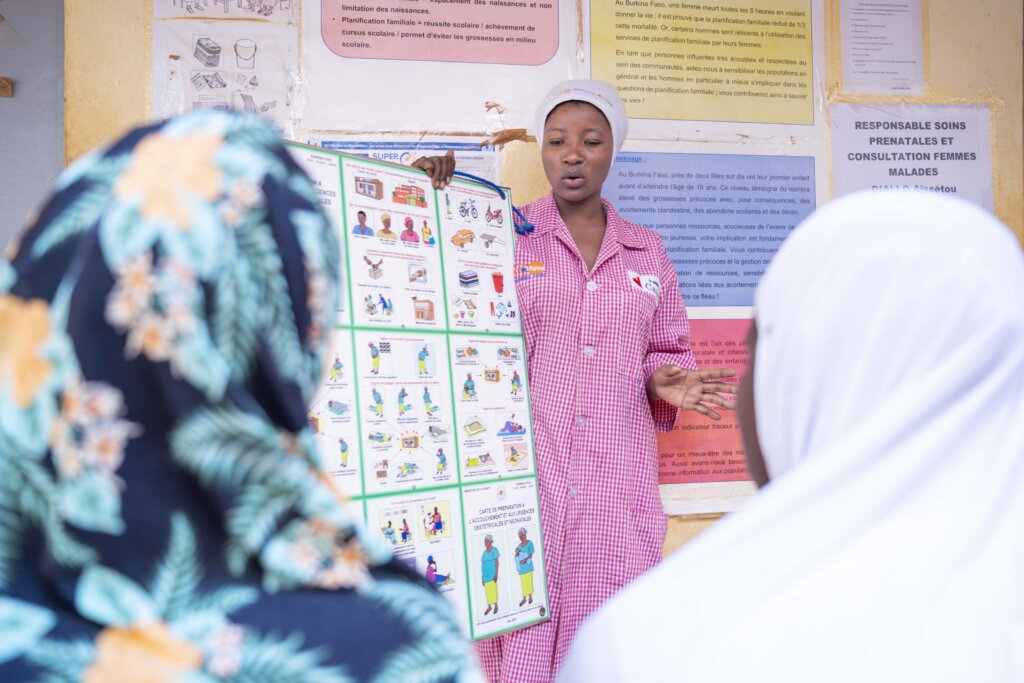
When women and girls are unable to access essential sexual and reproductive healthcare, they are more likely to become pregnant before they are ready, experience infections, injuries, or death during childbirth, and suffer from violence.
More than 700 women die every day from preventable pregnancy and childbirth complications. More than half of these women live in humanitarian settings. And, for every woman who dies, an additional 20 to 30 women experience birth injuries and infections.
Salma’s Safe Delivery
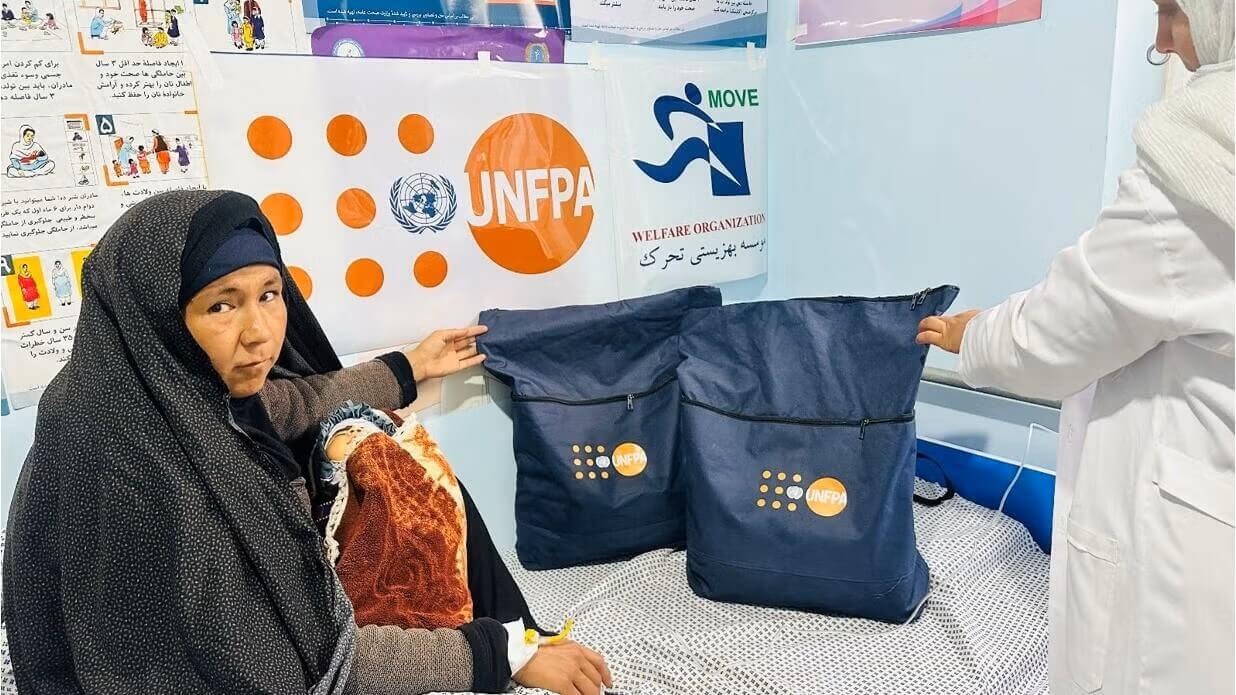
When the U.S. Government cut all funding for women and girls last year, the damage was felt immediately in Afghanistan. 1,000 midwives lost their jobs, and the clinics they staffed closed with them.
Afghanistan already has one of the highest maternal mortality rates in the world, with one mother dying during childbirth every single hour.
Having the support of a midwife during birth saved Sabriyah’s life. Minutes after birth, Sabriyah began bleeding uncontrollably. She was suffering from postpartum hemorrhage, the leading cause of maternal death worldwide. Thanks to training and access to critical supplies, UNFPA midwife Puryan knew exactly what to do to save the new mother’s life.
“I thought I would not survive, but the midwives did not leave me. When I heard my baby cry, I felt hopeful again,”shared Sabriyah.
Your support for midwives saves lives
Women and girls’ lives are at stake because of the midwifery shortage and the projected increase in the need for midwives only means that more women and girls will in danger of life-threatening pregnancy and childbirth complications.
Your support will go toward training, equipping, and deploying midwives to where they’re needed most.