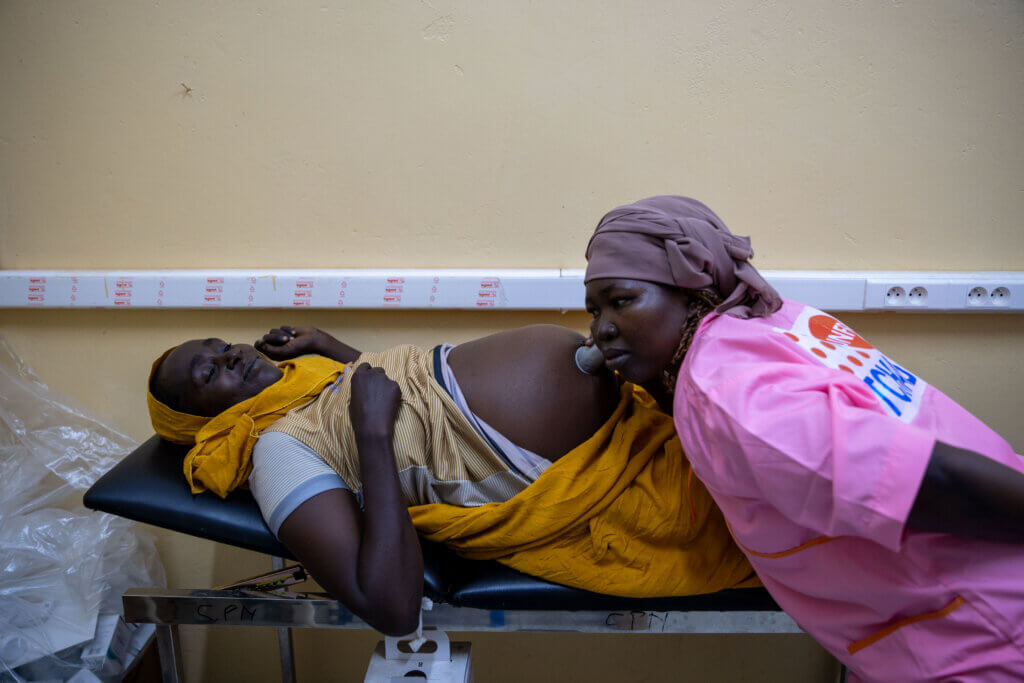
“Every day I work as a midwife. Every day I come into the hospital and the goal of coming to the hospital is to help my sisters who are ill and suffering. I come to help them recover their health and also to help those who are victims of sexual violence. To help them survive because they have gone through difficult stages.”
© UNFPA Chad
With adequate investment, midwives could provide 90% of all sexual and reproductive healthcare to women, girls, and their families, saving up to 4.3 million lives a year.
But even though midwives are vital health care providers, they have faced disinvestment, discrimination, and other challenges. Keep reading to learn how we support the lifesaving work of midwives.
What do midwives do?
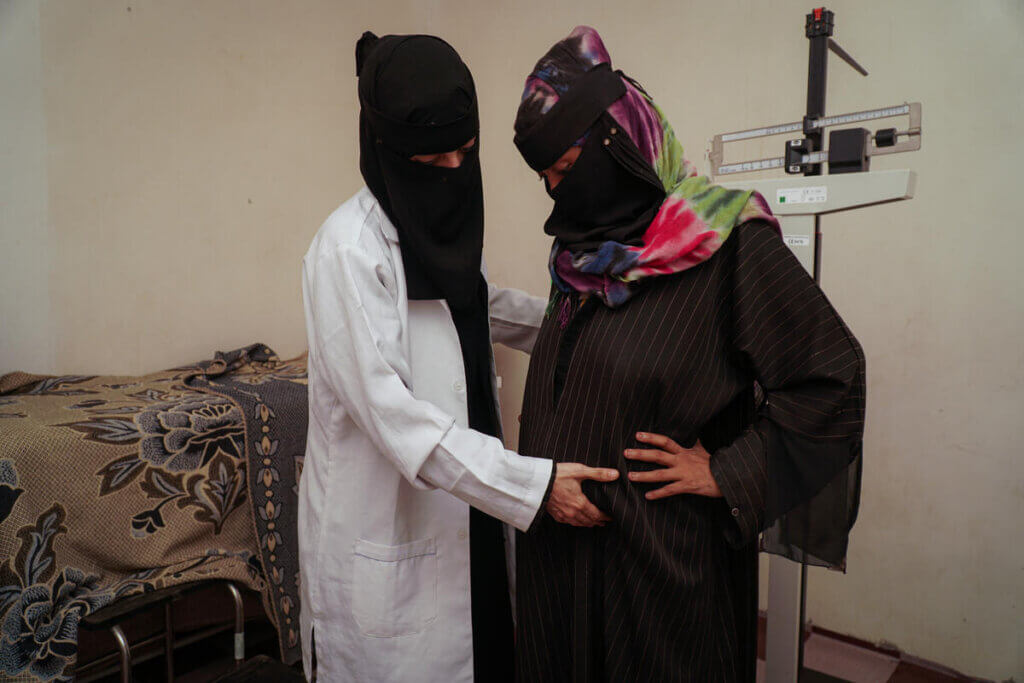
Midwives provide a broad range of services, including prenatal appointments, safe delivery care, post-partum check-ups, birth control consultations, support for survivors of violence, and more.
For some women, her first encounter with a health system occurs when she visits a UNFPA clinic for prenatal or safe delivery care. These critical moments are opportunities for midwives to connect women, their families, and their communities, with resources like refugee support programs, nutrition programs, shelters and support for survivors of violence, and cash or voucher assistance.
How many midwives do we need?
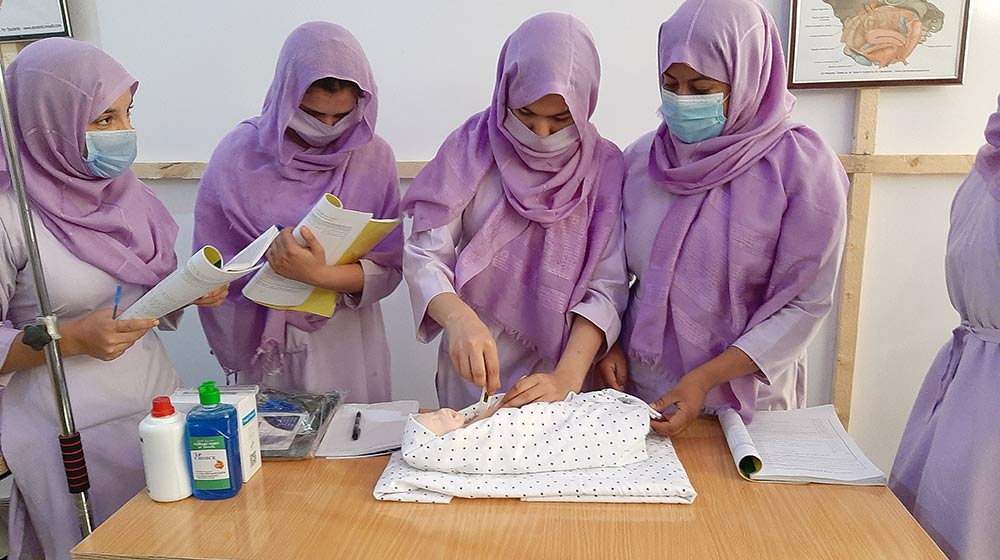
Right now, the world is facing a critical shortage of 1 million midwives.
This represents one-third of the current midwifery workforce. Tragically, the World Health Organization only expects the number of missing midwives to grow as there is not engouh investiment to support programs training future midwives, deploying them where they’re needed most, and equipping them with supplies and resources once they are in a community.
Further, midwifery has been especially impacted by gender inequality: more than 90% of the world’s midwives are women. This means discrimination in midwifery is especially pronounced. Some researchers have even linked the decline in midwives to the medicalization of birth and to the idea that only doctors, who are more likely to be men than nurses or midwives, are qualified to deliver babies. This is a dangerous myth and it impacts pregnancies and childbirths across the world today.
UNFPA is working to train, equip, and deploy midwives to more than 150 countries around the world. This includes in rural Afghanistan where care is otherwise out of reach, in Guatemala
Training the Next Generation
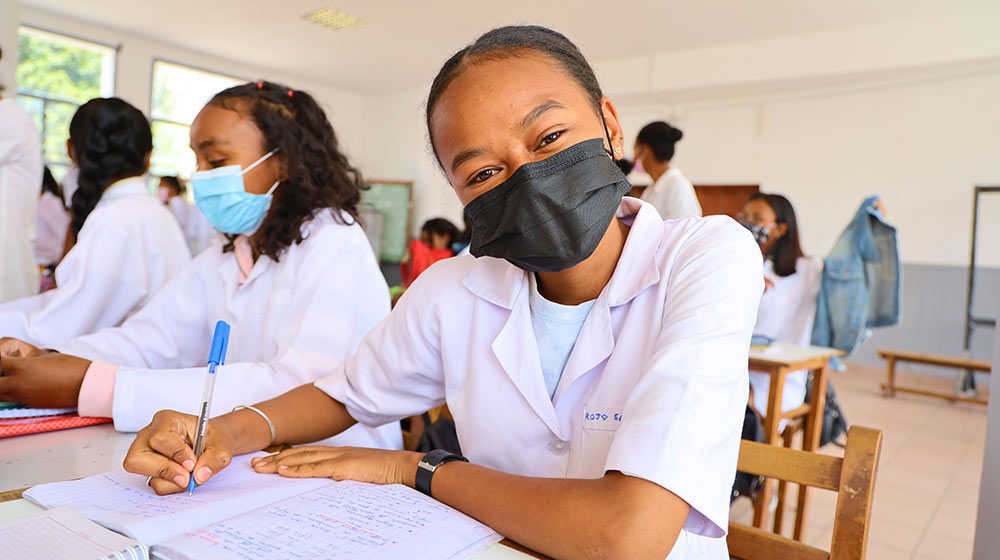
In Madagascar, UNFPA supports midwifery training programs. But, government funding cuts have ended programs that place graduates into clinics across the country.
New midwives like Domoina have to find clinics on their own. This is difficult if, like 86% of the country, they lack access to computers or internet. But, Domoina is hopeful. She explains her dream, “I want to open a clinic in my native village – which is about 75 miles from the capital – to help the most vulnerable access services like prenatal consultations, contraception, and vaccinations. Many women live in remote areas with no health care facilities nearby, so they often can’t make it to the hospital on time, endangering the lives of both mother and baby.”
How does the midwifery shortage affect women and girls?
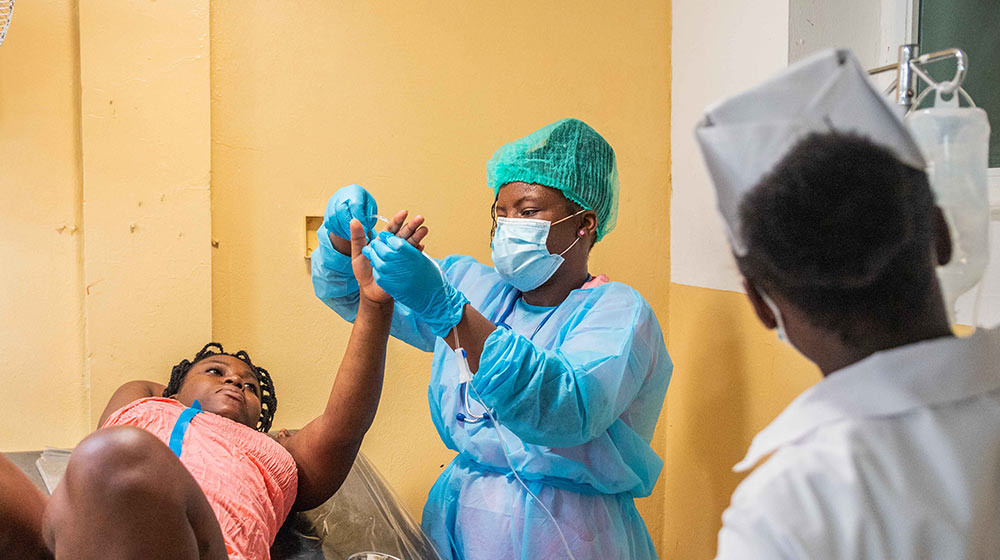
When women and girls are unable to access essential sexual and reproductive health care, they are more likely to become pregnant before they are ready, experience infections, injuries, or death during childbirth, and suffer from violence.
More than 700 women die every day from preventable pregnancy and childbirth complications. More than half of these women live in humanitarian settings. And, for every woman who dies, an additional 20 to 30 women experience birth injuries and infections.
Salma’s Safe Delivery
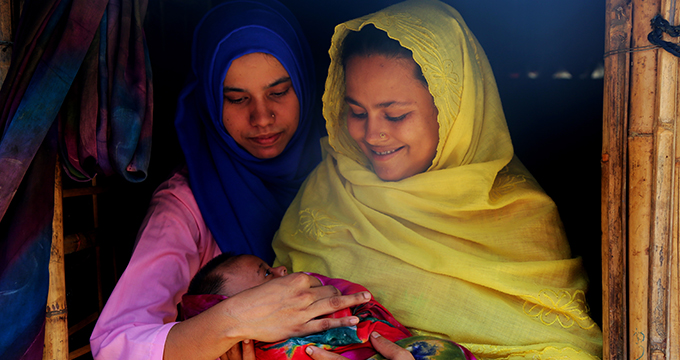
Salma, a Rohingya refugee in Bangladesh, had already suffered nine miscarriages when she became pregnant for the 10th time. She was determined to become a mother, and had even adopted a little girl in her refugee center. But, Salma was worried about her new pregnancy. When she visited UNFPA midwife Imama for prenatal care, Salma learned she was diabetic and that her pregnancy was high-risk.
Thankfully, Imama knew what to do. Through careful monitoring of Salma’s pregnancy and delivery, Imama made it possible for Salma to safely deliver a baby girl. Today, Salma is raising her two daughters in the Rohingya refugee center. Conditions like gestational diabetes or preeclampsia — high blood pressure during pregnancy — are some of the leading causes of maternal death, but many women have no idea they’re even at risk. Your support ensures women like Salma have access to the care they need before it’s too late.
Your support for midwives saves lives
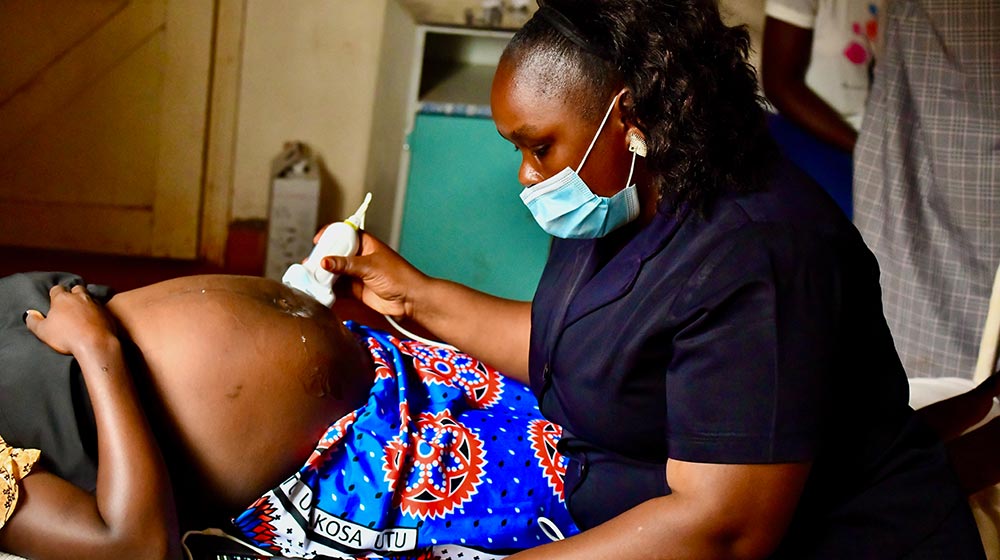
Already, women and girls’ lives are at stake because of the midwifery shortage and the projected increase in the need for midwives only means that more women and girls will in danger of life-threatening pregnancy and childbirth complications.
Your support will go toward training, equipping, and deploying midwives to where they’re needed most.