Stories of survival after the Nepal floods
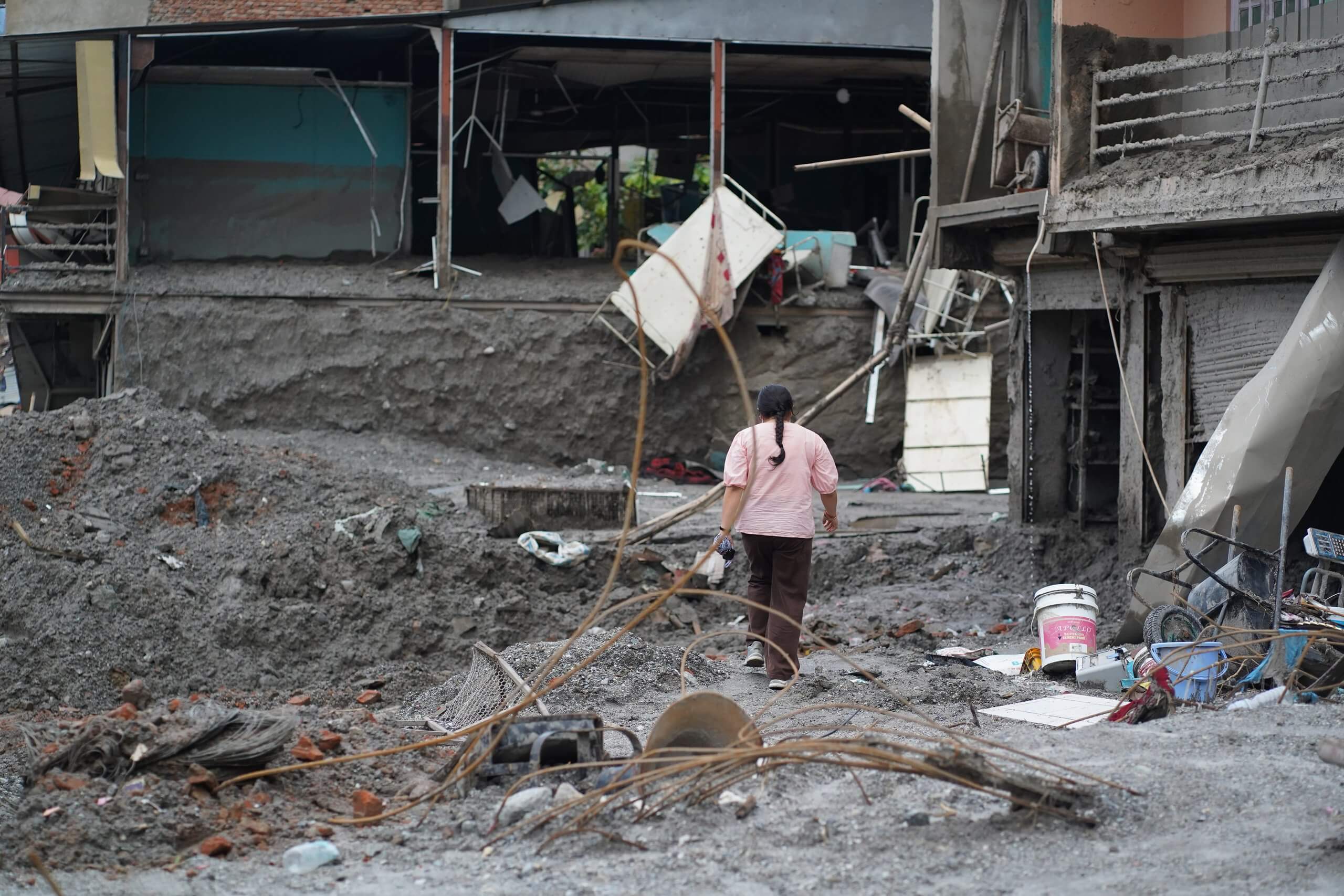
On the morning of Aug. 26, 2026, Dawa was working at a hydropower plant in the Rasuwa district of Nepal when the alarm sounded.
“The warning siren blew, and I ran immediately. As we fled, my friends were swept away right before my eyes,” she told UNFPA, the United Nations sexual and reproductive health agency.
A massive collapse of rock and ice from a glacier in the Himalayas had triggered catastrophic flooding. “In the panic, people were stepping on top of each other to survive,” said Dawa. “Somehow I kept running and made it out alive.”
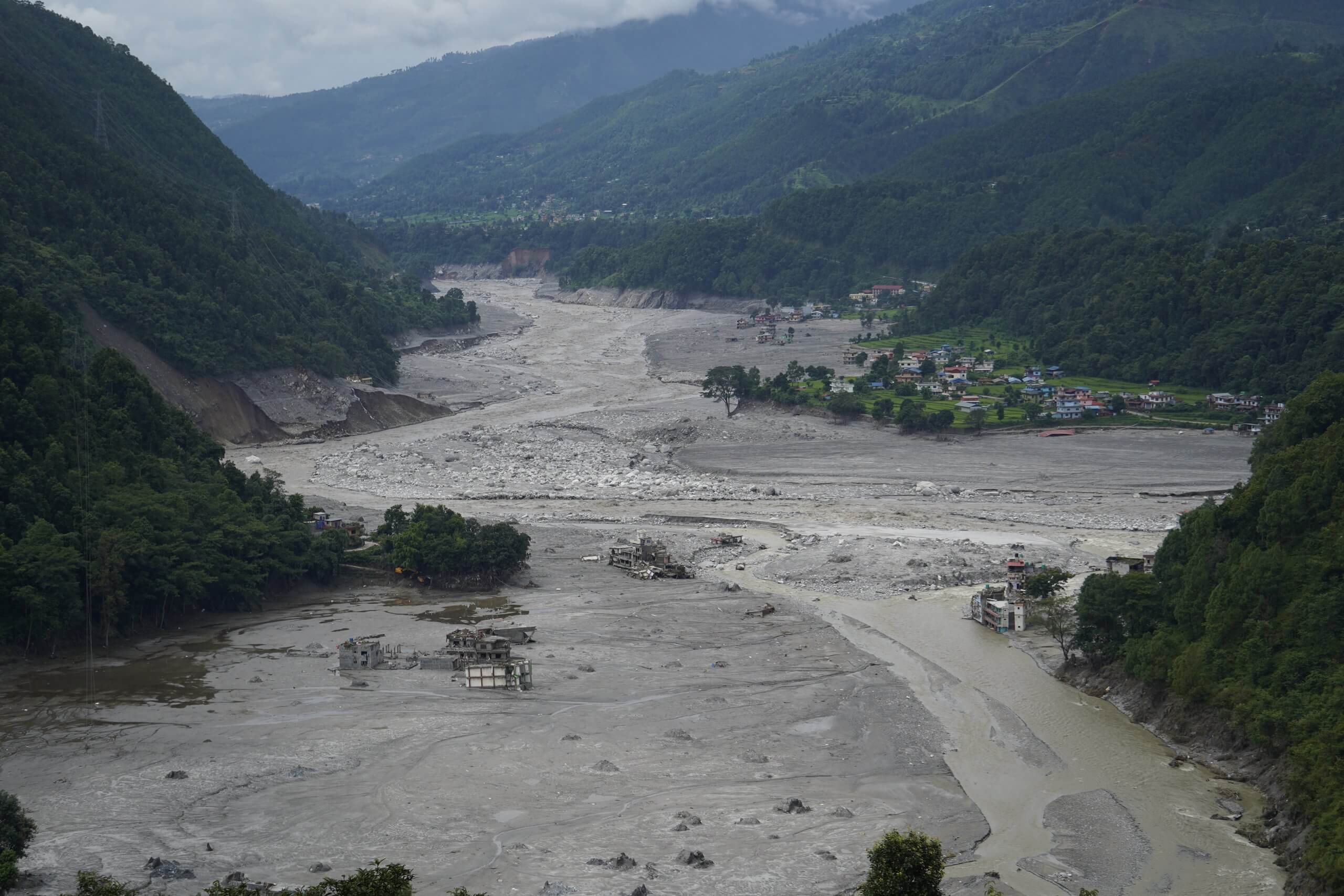
Dawa’s story is one of thousands. Flooding along the Bhotekoshi and Trishuli rivers caused devastating loss of life and displacement. An estimated 352,000 people have been affected by the disaster in Nepal. Among them are more than 98,000 women, including some 5,030 pregnant women.
Extensive damage to health facilities, impassable roads, and disruptions to public transport have severely constrained maternal health services. Displacement and overcrowding in temporary shelters are heightening risks of violence against women and exploitation, particularly for women and girls.
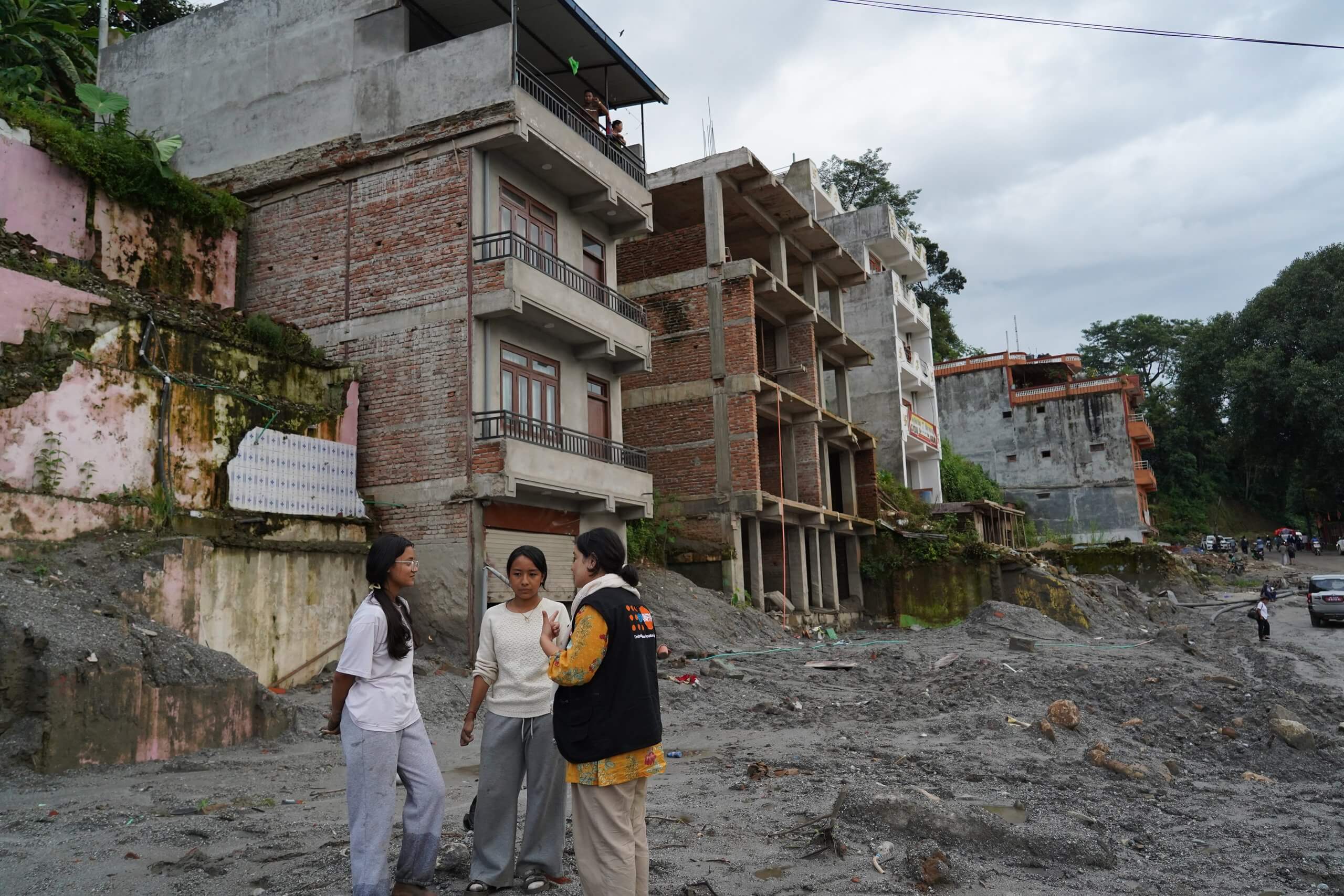
Here, Dawa and five other women share how the floods have affected their lives.
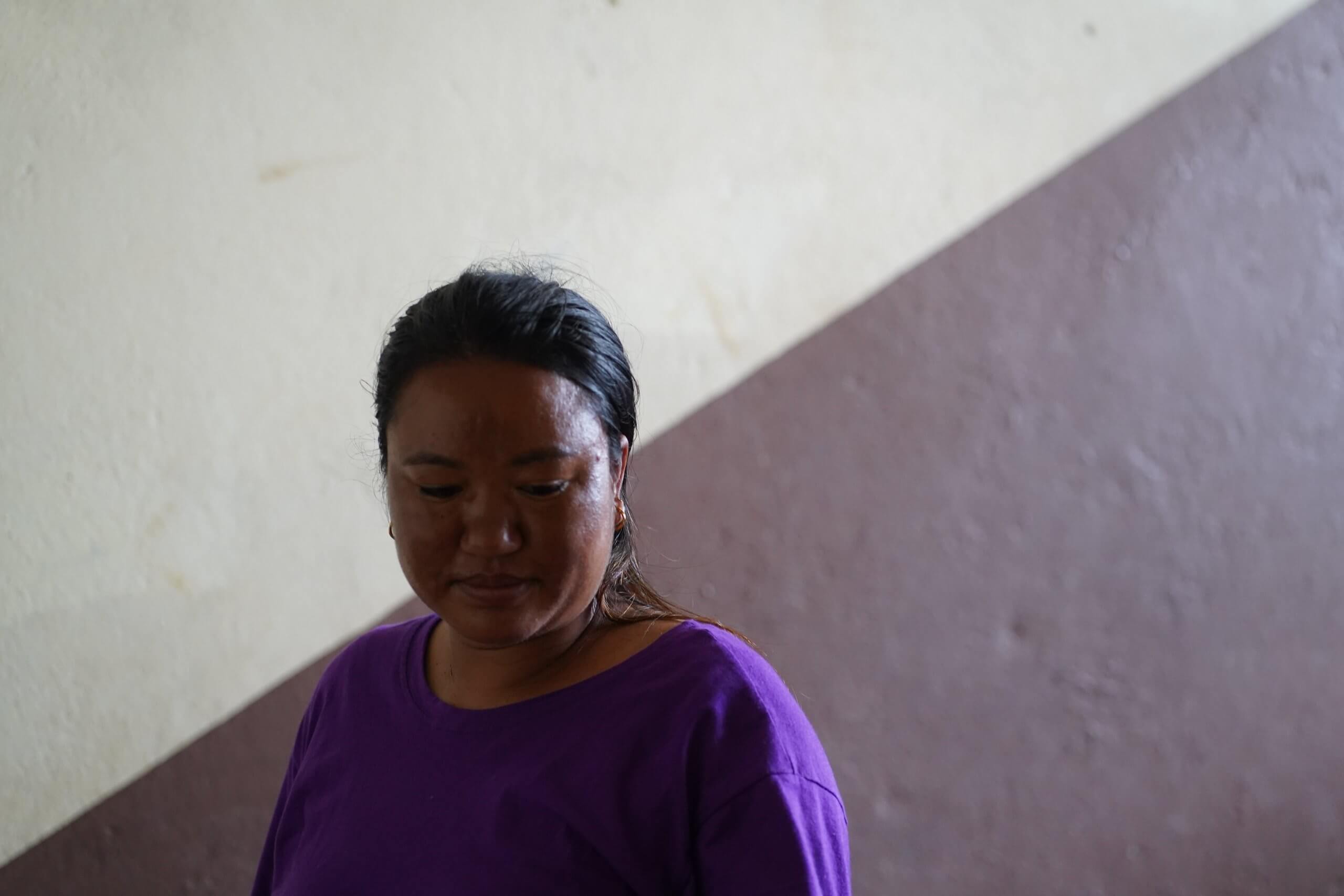
Dawa
Currently in a displacement shelter, Dawa is still processing the scale of what she has lost.
“I lost my sisters and my niece in this flood. Now I’m here in the shelter, where the bathrooms are foul and unusable. I don’t know what to do next,” she says. “Thinking about how my life was before, and where this disaster has brought me now, makes my head spin.”
UNFPA’s response includes trauma assessment for survivors like Dawa. UNFPA has also deployed counselors in and around the displacement centers and operates a toll-free mental health hotline.
Ram Maya
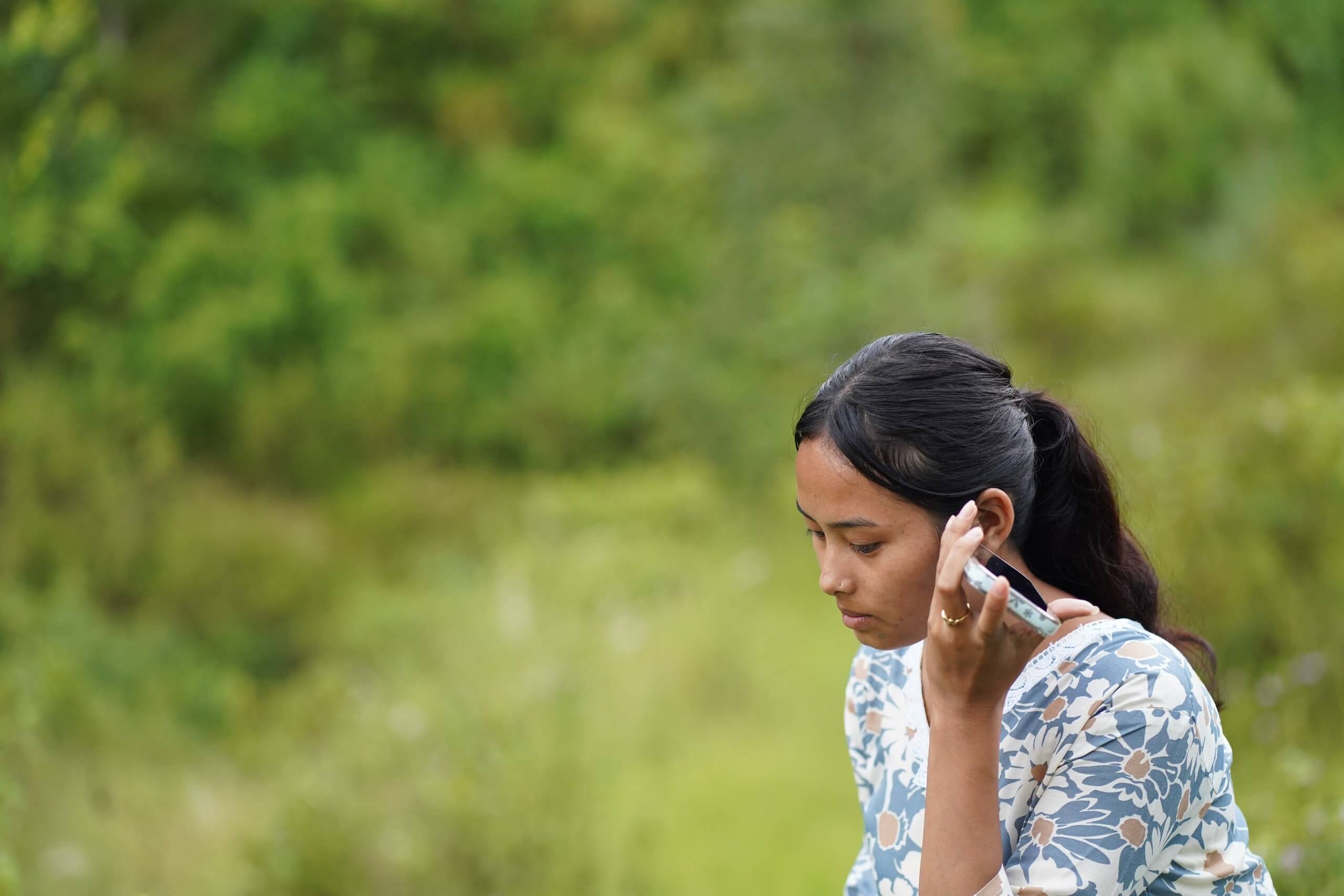
Ram Maya lost her mother and her sister-in-law in the floods. At the shelter, she found that supporting others helped her to cope with her grief.
“In a matter of moments, everything I knew was gone,” she says. “Losing my mother and my sister-in-law felt like the world had completely collapsed around me, but even in the deepest grief, you have to choose to keep moving forward.”
“Sitting in the noisy, crowded shelter, I replay my mother’s last voice message on my phone. Hearing her voice asking if I was safe is my only link to the past. It’s the memory of her love that guides me through every single day.”
Ram Maya received essential supplies and support from UNFPA in the shelter; amid her grief, she has been cooking for displaced families and caring for children who lost their parents. “When asked how I was doing, the only word I had was surviving. But even when you are broken, helping others is how you find the strength to keep going.”
Renuka
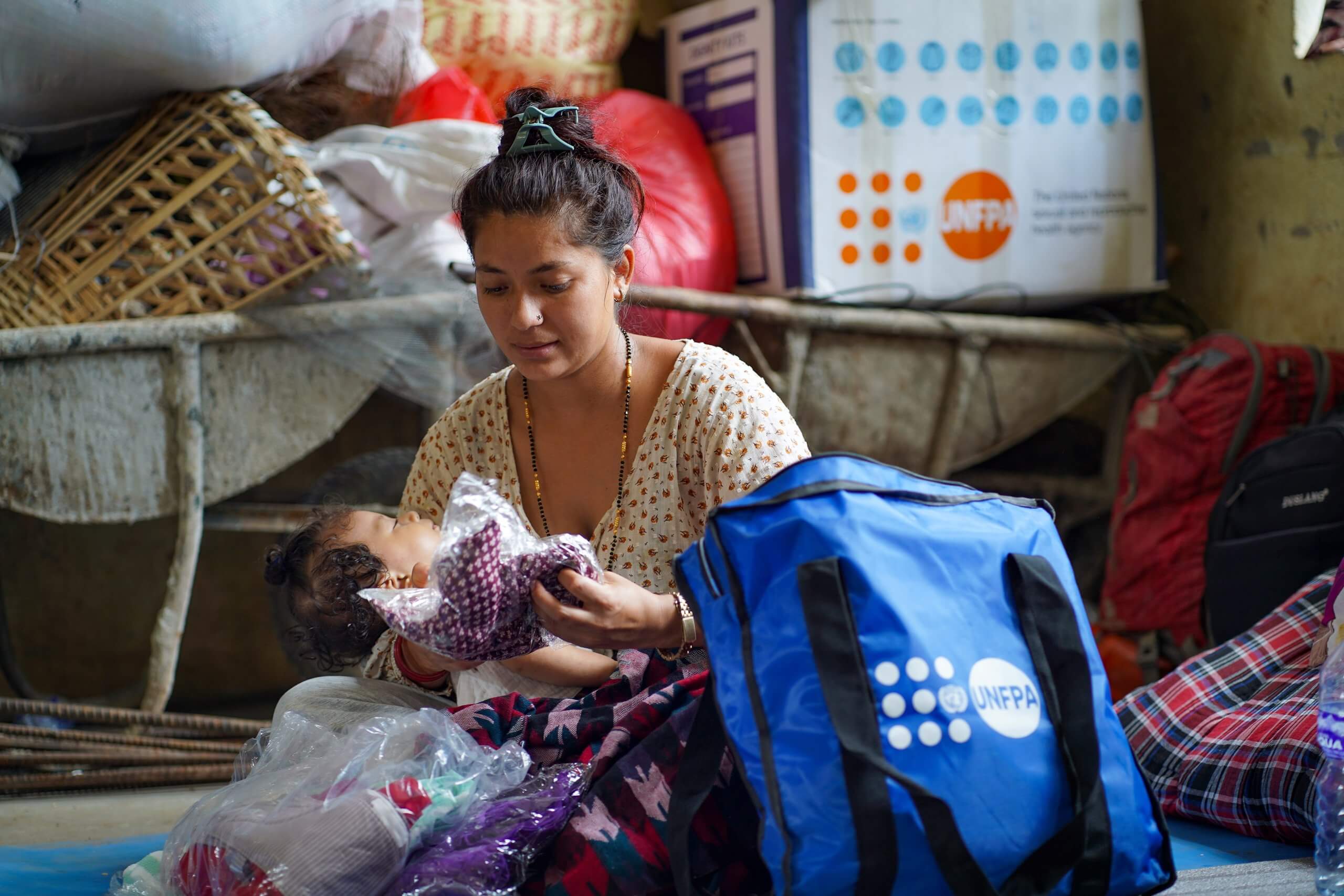
Renuka heard the sounds of panic before she saw the flood warning on her phone.
“I hadn’t checked my phone, so I didn’t see the flood warning. Suddenly, people came running uphill, screaming. I grabbed my baby girl in my arms, pulled my eight-year-old son by his school uniform and ran without looking back. Within four steps of climbing uphill, I watched the river sweep our entire house away.”
She had nothing left, including clothes for her baby.
“The flood took every single piece of clothing we owned. My baby girl didn’t even have an extra dress,” she says. “Receiving clean clothes and hygiene supplies through a UNFPA Dignity Kit gave us some immediate relief when we had nothing left.” In a crisis, UNFPA distributes Dignity Kits that include basic hygiene supplies to support displaced families.
Puja
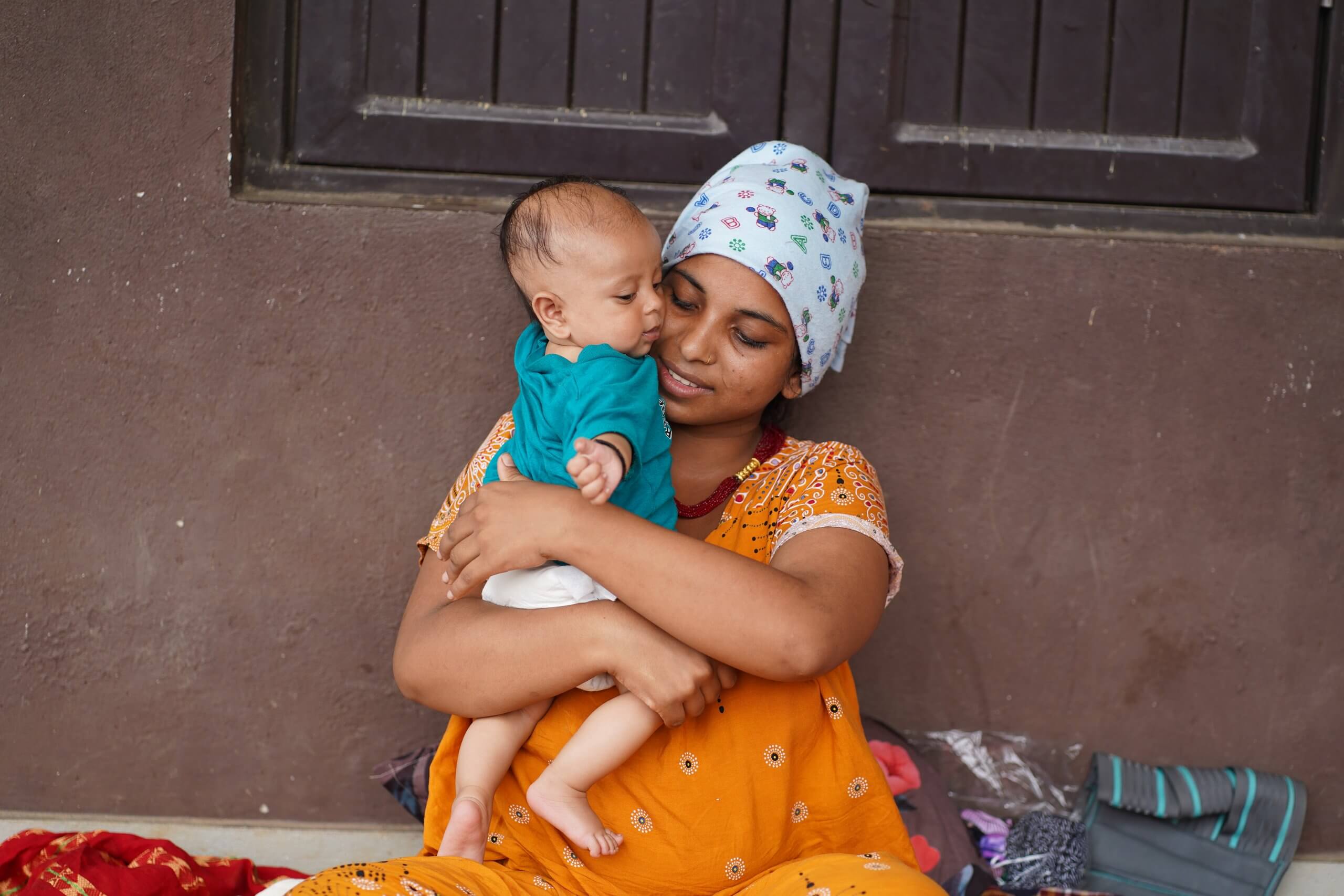
Puja had recently given birth when the floods came.
“Within three days of giving birth, my stitches tore. Weeks later, I still can’t sit or walk properly, yet I had to carry my baby and flee the floodwaters. There was no time to think: I grabbed my daughter and ran uphill with the crowd and held her tight until the helicopter arrived,” she says.
“Postpartum recovery is never easy—you face anxiety, mood swings and emotional distress. But when you add a catastrophic flood on top of that, the mental toll is overwhelming. Living in a shelter, I couldn’t even buy basic baby wipes or hygiene supplies,” she says. “Receiving UNFPA’s Dignity Kit restored a sense of care and relief when we needed it most.”
Ishwori
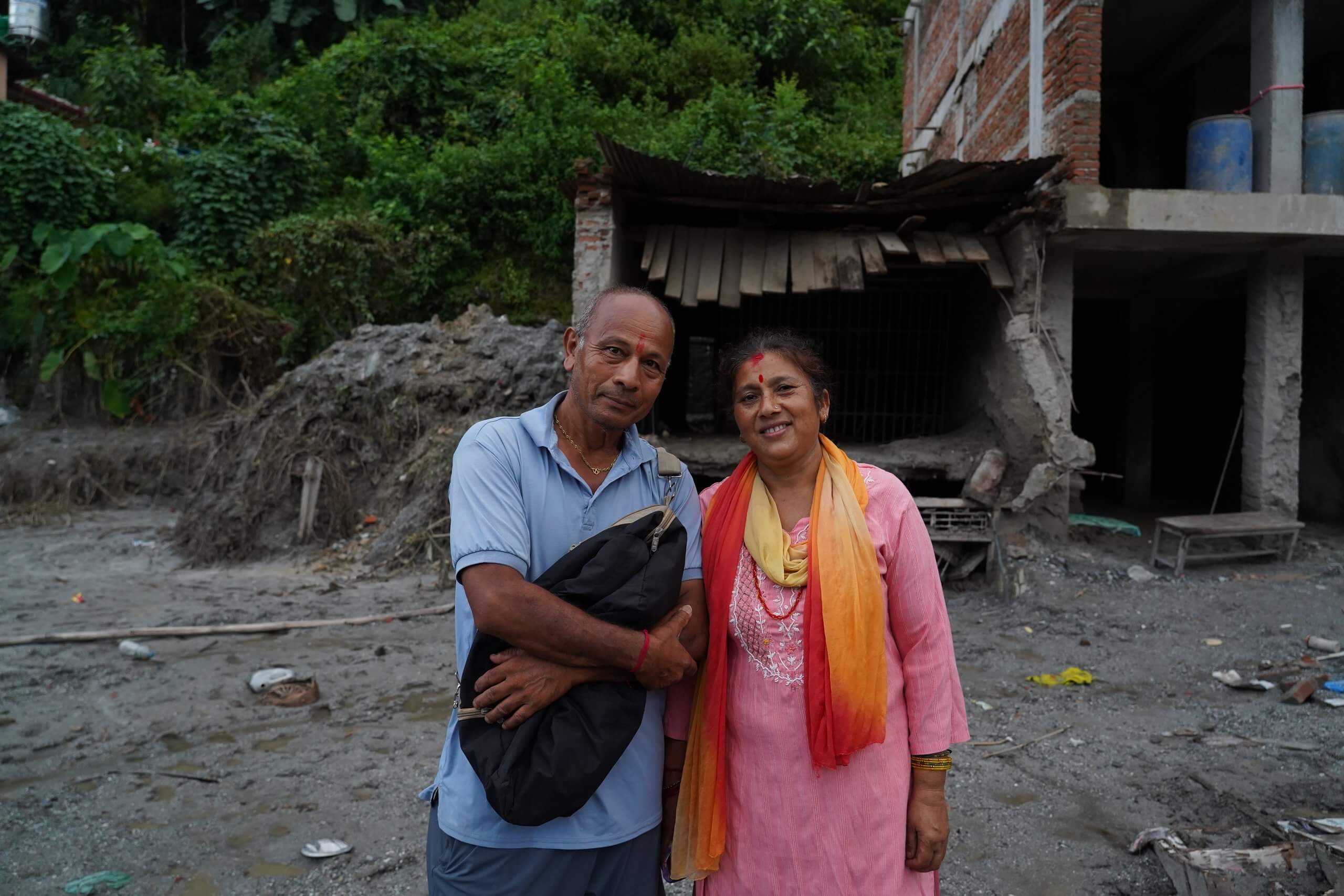
Standing in front of the wreckage of her home, Ishwori says, “I don’t just see broken walls—I see the total loss of our security. When disaster strikes, women bear a heavy, silent burden, trying to hold what’s left of our families together.”
“When the water inundated our home, it didn’t just ruin our physical belongings, it broke something inside us. Surviving the disaster is only the first step. Living with the daily fear and uncertainty of where we go from here is the hardest part,” she says.
“When you lose your home, you lose the basic things too, like clean space, privacy and just feeling like yourself,” said Ishwori, who appreciated receiving a Dignity Kit from UNFPA. “Something as small as Dignity Kits and the support around them aren’t only about handing out supplies. They’re about giving people back a bit of self-respect at a moment when everything else has been taken from them.”
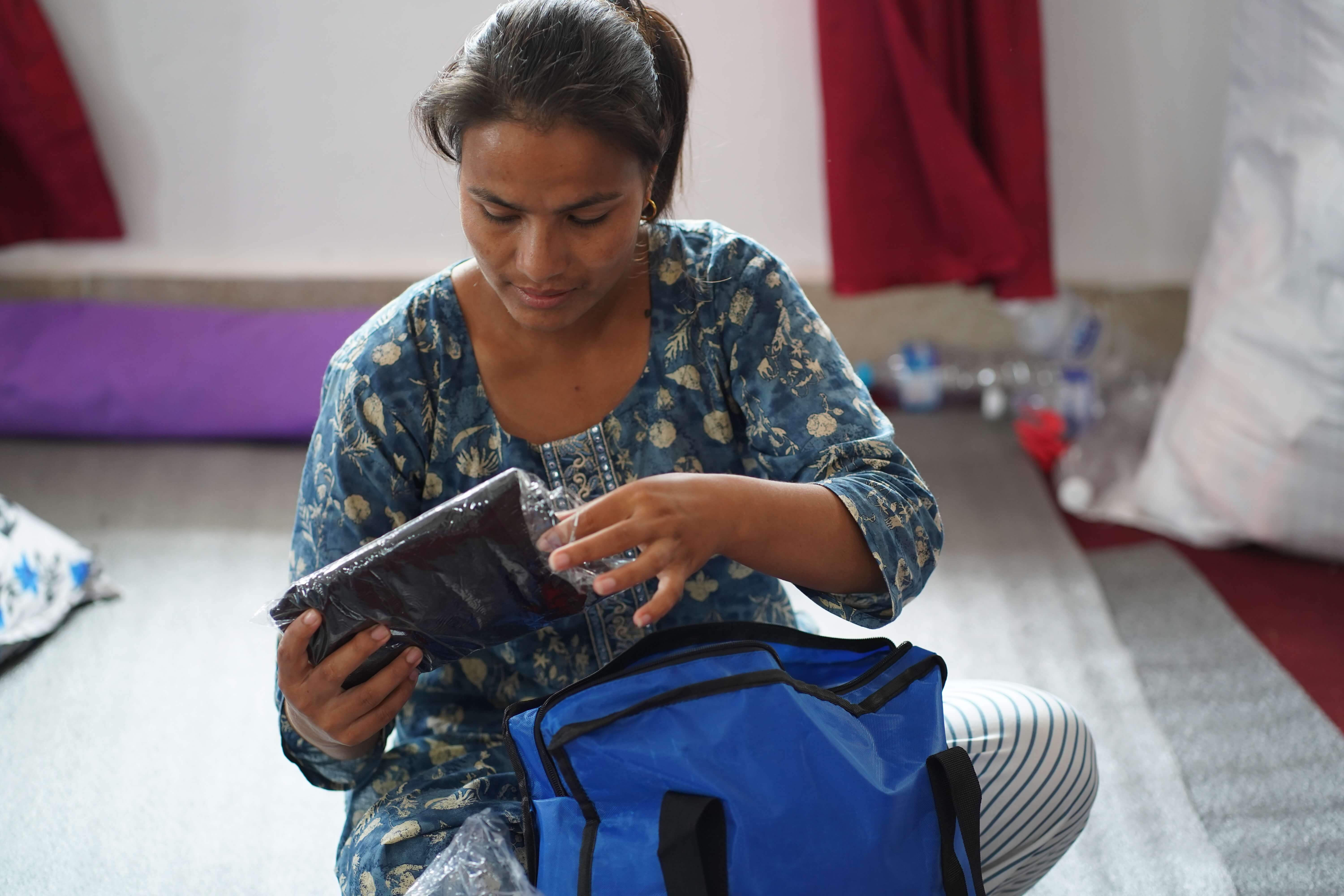
Samjhana
“In the shelter, I couldn’t even take a bath until five days after my period started. Without clean clothes, I had to keep changing sanitary pads while wearing the exact same pair of underwear. That was one of the hardest parts of surviving this disaster,” Samjhana says.
“Receiving clean clothes, a towel, toothbrush and sanitary pads from UNFPA restored my basic care. These aren’t luxuries for women in crisis; hygiene supplies are an absolute necessity.” She adds, “Nobody else thought of our personal hygiene needs. Having these essential items gave us back a sense of comfort and dignity.”
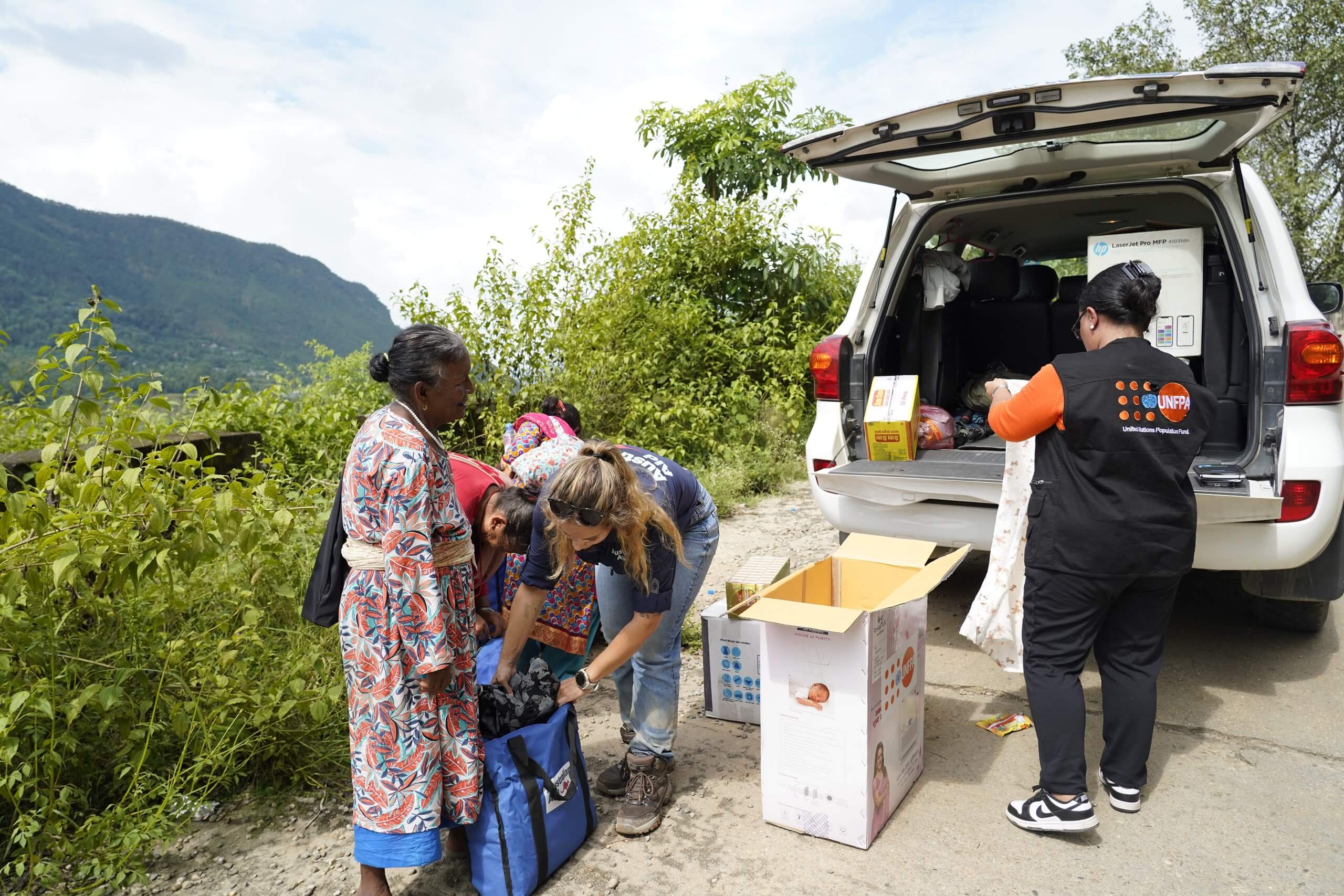
As of mid-September, UNFPA has provided 2,800 Dignity Kits to women and girls in Nepal, containing flashlights, underwear, sanitary items and other essentials. Some 300 tarps have also been distributed to support privacy and safe spaces in displacement shelters, and four UNFPA safe spaces are providing information, counseling, and referrals to care.
Meanwhile, mobile teams have provided sexual and reproductive health and violence response services to more than 900 people, more than half of whom are women, along with counseling for hundreds of flood survivors.
For the thousands of women and girls living in temporary shelters, having access to healthcare, hygiene supplies, and counseling ensures that their immediate needs are met, while the long process of recovery grinds forward.