What a funding shortfall will look like for women, girls, and families in Jordan
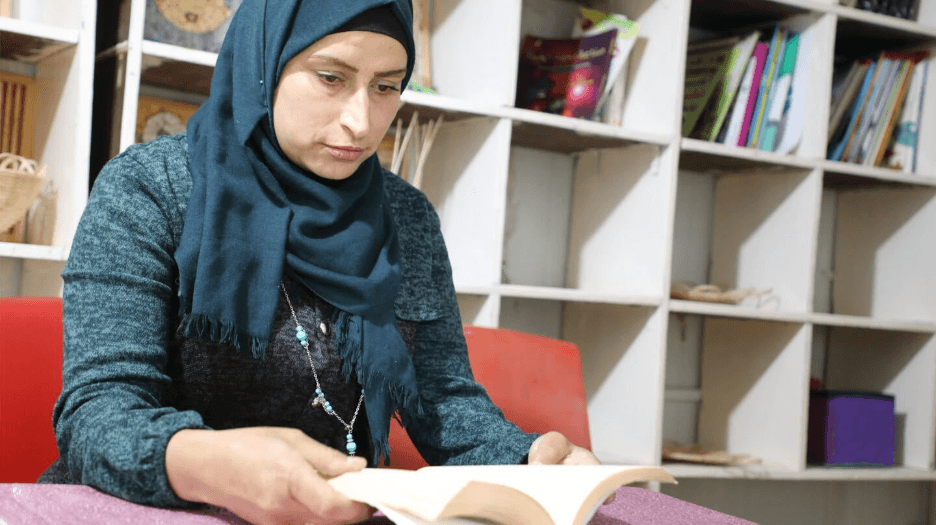
When Rabia and her husband fled the war in Daraa, in southern Syria, they found safety in UNFPA Jordan’s Zaatari refugee camp. But the years that followed were difficult. The couple struggled to conceive, and as time passed, she grew isolated, and her marriage began to strain.
After surviving sleepless nights of war, the couple arrived exhausted—and then had to adjust to being called refugees, an unfamiliar identity Rabia struggled with. The pressure grew as they remained without children; her husband began to blame her, and the comments wore her down. She went through pregnancy test after pregnancy test, hoping to conceive, with no success. Even with relatives in the camp, she still felt alone.
She then came across a UNFPA safe space for women and girls in the camp. Rabia began with attending support sessions there, then transitioned into training in carpentry, electrical repair, and handicrafts—skills that significantly increased her self-empowerment. She became a volunteer at the center, teaching other women the same skills, and earning an income of her own.
Words of her skills spread. Neighbors began calling on her to fix their wiring, and other women looked at her as proof of what was possible. At home, Rabia started covering some of the household costs, the tension eased, and her husband came to treat her with more respect.
“I consider myself a living success story,” she says. But the place where Rabia rebuilt her confidence is now at risk of closing as funding for Jordan’s humanitarian efforts falls short.
UNFPA, the United Nations sexual and reproductive health agency, works in two of Jordan’s largest refugee camps: Zaatari and Azraq. Together, the camps are home to tens of thousands of women and girls. UNFPA’s programs provide care that can’t be found anywhere else in the camp.
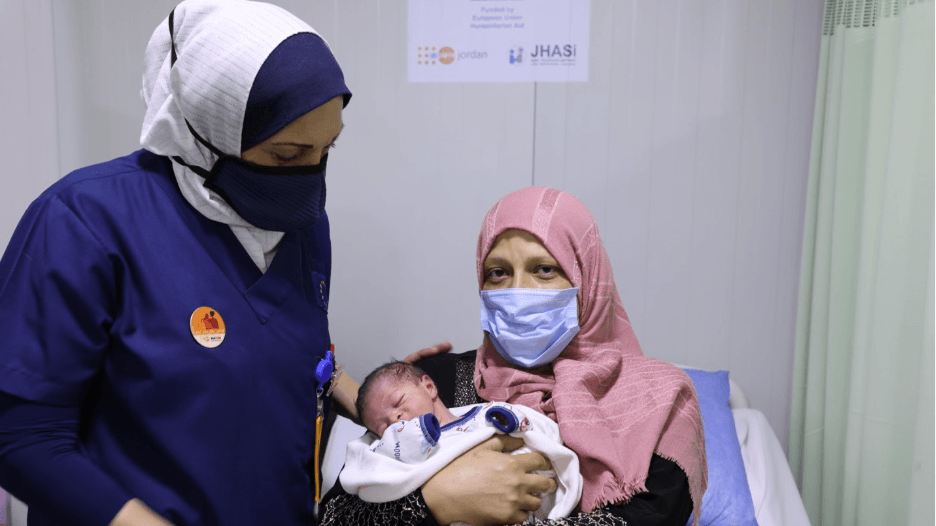
These programs look something like this: a clinic where a woman can get quality midwifery care throughout her pregnancy and labor, a community safe space where a girl has space to be a child, and a place where a woman facing violence at home can find help and someone to talk to openly.
As 2026 draws to a close, the care that UNFPA midwives, nurses, doctors, and local aid workers provide is under real strain.
Zaatari and Azraq Camps today
Zaatari is home to more than 49,000 people, about half of them women and girls. More than a third of its households are headed by a woman. In Zaatari, UNFPA runs three safe spaces and one health clinic—where women can get care during pregnancy, skilled care during birth, family planning services, and support after violence.
Azraq is home to more than 33,000 people, with a similar share of women and girls and an even higher share of households led by a woman: nearly 40%. UNFPA runs three safe spaces and two health clinics there, including the only reproductive and maternal healthcare available in the camp.
These services are exactly what women and girls rely on to get through their day—and without them, they’d be left without lifesaving care.
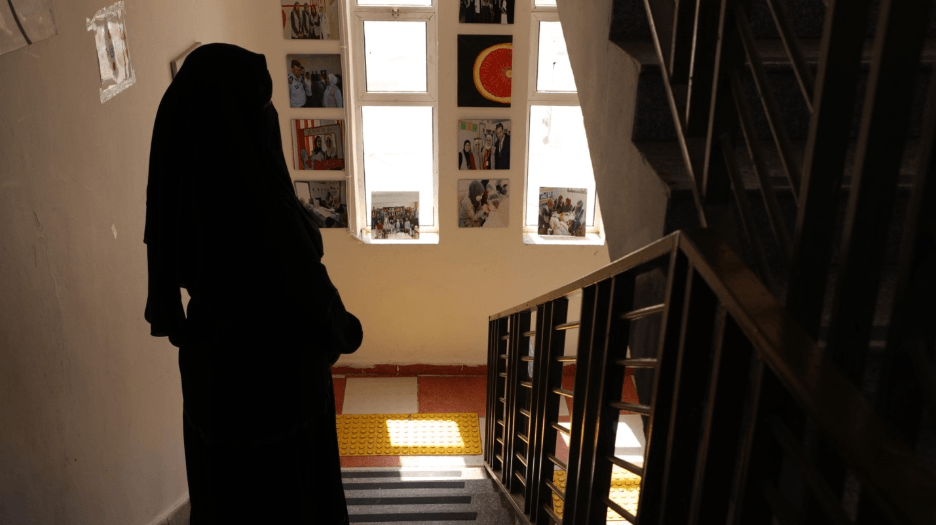
What a UNFPA safe space can change
The same kind of safe space UNFPA supports in the camps exists across Jordan too. In Karak, the country’s south, one of them changed everything for a woman named Fatima.
Fatima left Egypt for Jordan after she married, hopeful for a fresh start. However, her three children were each born with disabilities—forcing her to dedicate her days to caregiving and hospital visits, even while money grew tight. Her husband began blaming her for their children’s conditions, and the insults did not stop. Far from her own family, she grew quiet and ashamed.
She initially began going to a UNFPA clinic to get care for her three children. However, staff noticed she needed support of her own and connected her to the safe space at the clinic. From there, Fatima began counseling and attending group sessions, learned to set boundaries and manage stress, and—through sessions on caring for her daughters—unlearned harmful beliefs she had been taught about girls and their periods.
With cash assistance, Fatima started a clothing business from home. The first sale, she says, kept her going; word spread, customers came back, and before long—she was providing for her children herself. At home, the tension eased. “I realized I could rely on myself,” she says.
Today Fatima still visits the UNFPA safe space, now as a woman who has found her footing and her community.
A shrinking budget and a severe deadline arise
The funding behind this work has been falling for years. In Zaatari, the budget for these services dropped from $2.3 million in 2023 to $1.2 million in 2026—roughly half in three years. In Azraq, it fell from $840,000 to $488,000 over the same period.
In 2025, the U.S. government ended its funding to UNFPA, after years as its largest single supporter. That loss is a large part of the gap staff are now facing in Jordan. For 2026, UNFPA’s humanitarian appeal across the country asks for $7.2 million to reach 75,000 people; as of mid-2026, it was 47% funded, leaving a large gap.
Without new funding, two of Zaatari’s safe spaces are set to close before the end of 2026, and the clinics and safe spaces in Azraq are expected to face a full shutdown in the next two months unless the money is found.
What your support keeps open
Rabia and Fatima are just two of the tens of thousands of women who you impacted. Behind the numbers are women who walked through the door of a safe space or a clinic and found something waiting for them: a way forward. Keeping those doors open is what your support does.
You don’t have to close the whole gap to make a difference. A single year-end gift keeps a midwife on staff, a safe space open, and a counselor in the room. And the need is immediate: with U.S. government funding gone, supporters in the United States now carry more of this work than ever—and without new funding, Azraq’s clinics and safe spaces face a full shutdown in December.