Ending FGM starts within communities—here’s who’s leading the way
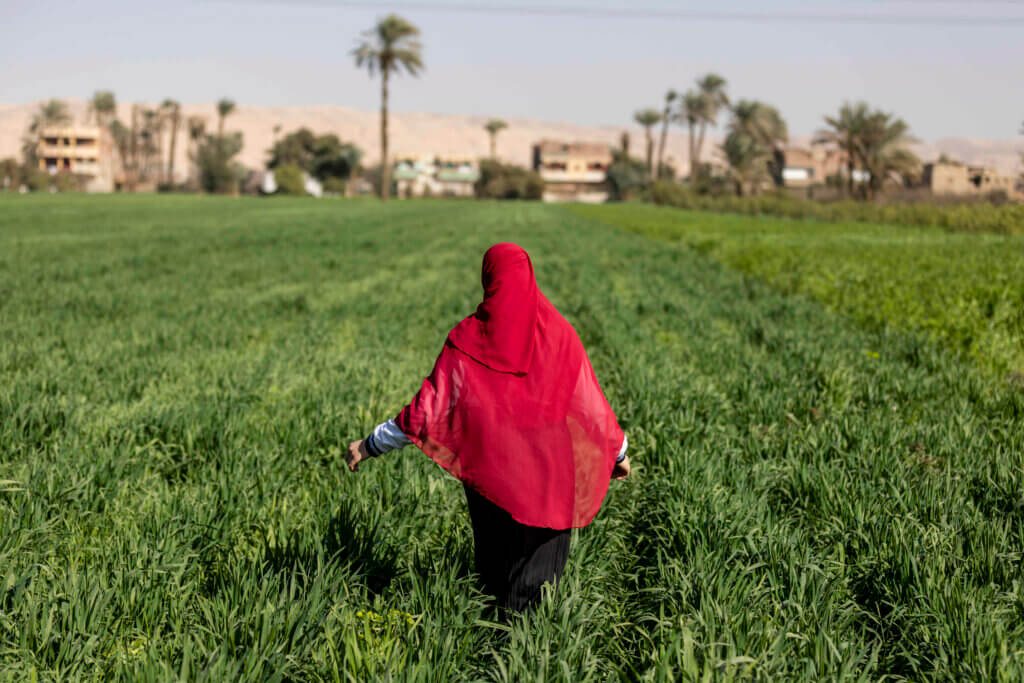
“I still see the knife, and the lady who held me down.”
Hawa’a was just six years old when she was subjected to female genital mutilation (FGM). Now, at 30 years old, the physical and psychological scars of her traumatic procedure continue to ache.
“I’m afraid of men, of everyone, of everything.”
Tragically, millions of women and girls hold similar stories of shock, pain, and trauma from undergoing the knife. Right now, there are more than 230 million survivors of FGM around the world.
By the end of the decade, an estimated 23 million additional girls are at risk of undergoing FGM—with about 4 million girls at risk in 2026 alone. Often, the procedure is done when the girl is still young, ranging from a day old to the beginning of puberty.
But survivors like Hawa’a are working to put an end to FGM permanently and keep their daughters, granddaughters, and young neighbors safe from the knife.
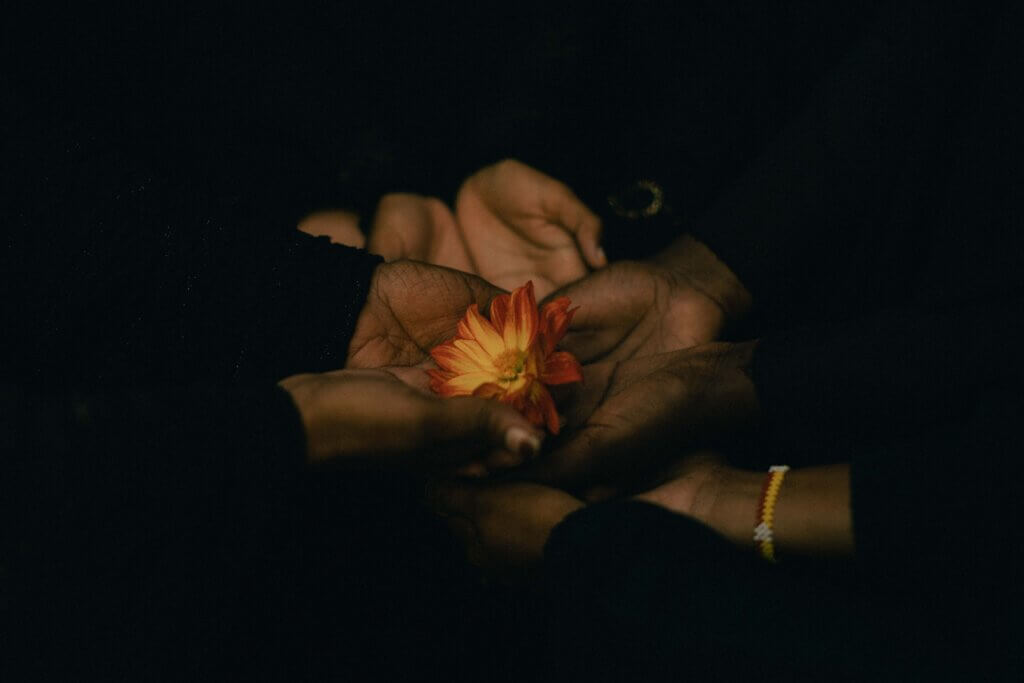
What FGM is—and why it’s so harmful
Female genital mutilation is the practice of altering or injuring the female genitalia for non-medical reasons, ranging from partial or full removal of the clitoris and vulva to repositioning the labia over the vaginal opening.
FGM has no health benefits, is incredibly dangerous, and is a violation of a girl’s autonomy. Immediate complications from FGM include severe pain, shock, hemorrhage, and infection. Long-term impacts include potentially deadly complications during childbirth, anemia, infertility, painful intercourse or menstruation, and lifelong psychological effects.
Often, FGM is pushed by communities for religious or cultural reasons to “protect” a girl’s purity, suppress her sexuality, or increase her fertility. Community leaders, parents, and even practitioners who perform FGM rarely force their girls to go under the knife for what they think are malicious reasons, which makes putting an end to the procedure even more difficult.
Ending female genital mutilation cannot be done by merely passing laws that ban the practice. It must be done community by community, engaging in honest, judgment-free conversations that educate those listening on the dangers of FGM.
Ending FGM, one community at a time
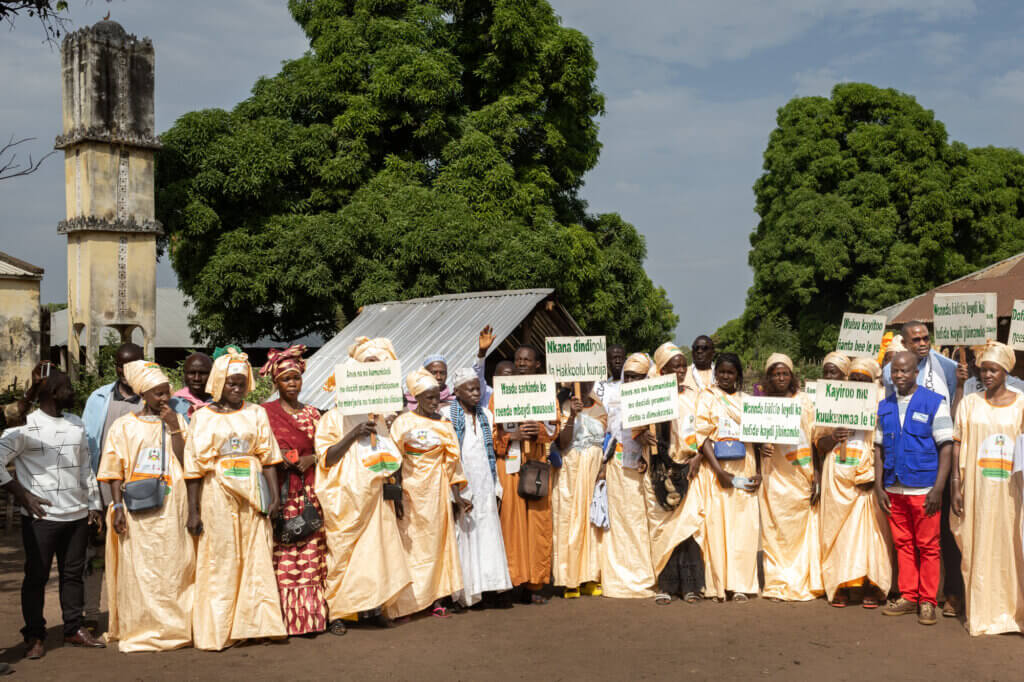
In the Gambia, rates of FGM remain startlingly high: almost three-quarters of all girls aged 15 to 19 have been subjected to the procedure. A survey conducted of mothers in the country who had daughters under the age of 25 also showed that 22% of their daughters underwent FGM by their first birthday.
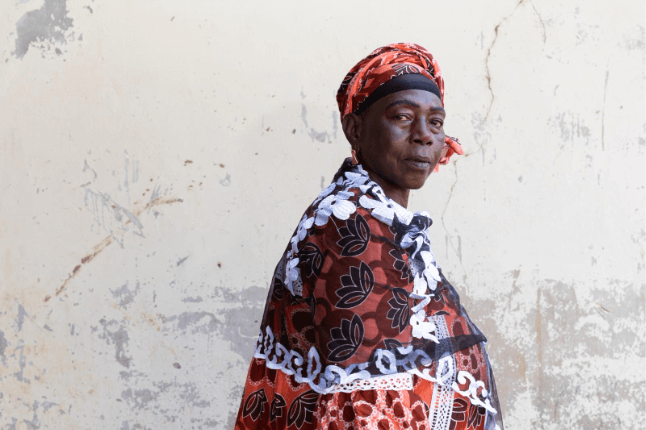
Dozens of these procedures were done at the hands of Hulay, a traditional practitioner of FGM. She, like most practitioners, earned a reliable seasonal income from performing the procedure. Many practitioners become reliant on the income from providing FGMs, and also see it as a positive service they are providing to their communities.
“I believed it was honorable,” Hulay shared with us.
Her view changed when she attended a series of dialogues supported through UNFPA about the lasting harm associated with FGM.
“Looking back, I wish I had known then what I know now.” Today, Hulay is part of a community-led movement made up of former practitioners, mothers, and young people working to end FGM for good.
“I now use my voice to raise awareness, because every girl deserves to grow up safe and whole.”
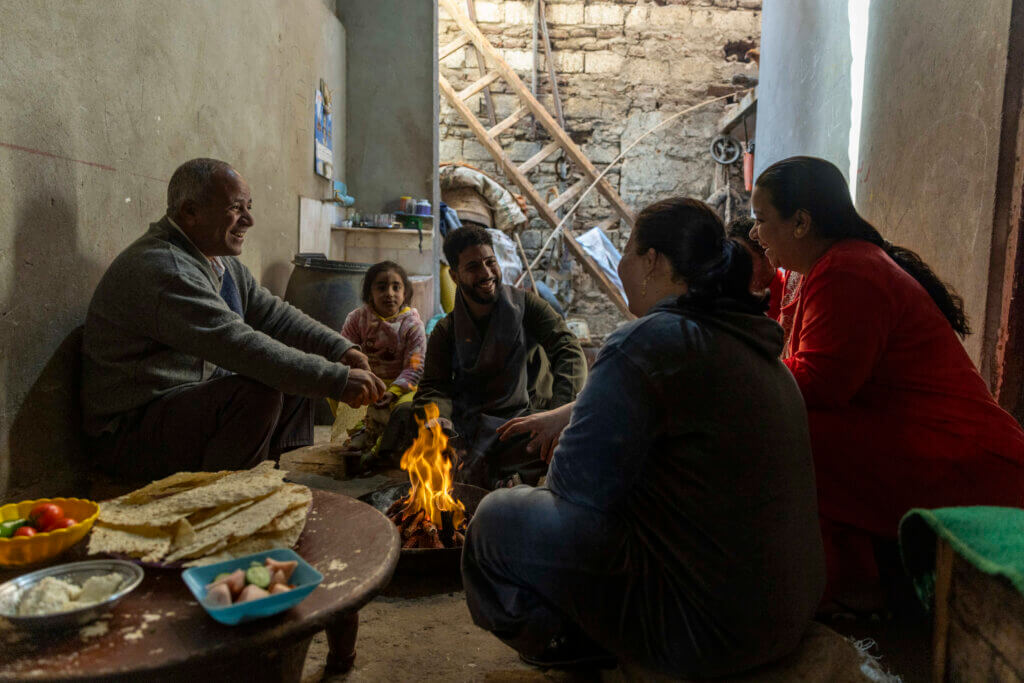
“People tell me we inherited this practice – that they’re doing it because their neighbors are doing it,” Georgi shared with us. Georgi lives in Egypt, where an estimated 86% of married women aged 15 to 49 have undergone some form of FGM.
“I ask what they gain out of subjecting girls to this. If you are about to get married, why would you need this woman to have been subjected to female genital mutilation? Isn’t it more important to agree on other things, to build a life together?”
Georgi has become well-known in his community for his advocacy against FGM through a program called “Dialogue Champions” that UNFPA began in 2021. The program offers training to advocates such as Georgi on how to communicate with their community members about harmful practices. He began organizing sessions aimed at shifting perspectives about FGM.
It took Georgi patience and resilience to become a respected and listened to member in his community. When people refused to attend a listening session, he gently encouraged them to think for themselves and not just accept their customs as correct. Little by little, he won over the respect of his community members.
Now, he’s the person his neighbors contact when they hear someone is at risk of being subjected to FGM.
“Engaging in dialogue among families, friends and communities is the most important step.”
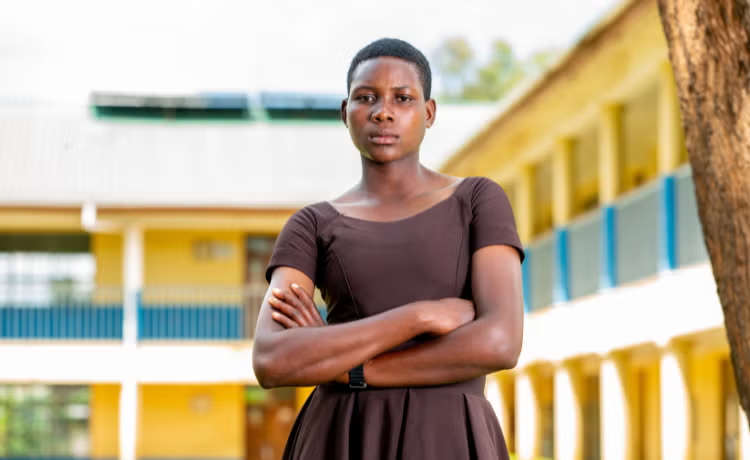
In Tanzania, FGM was once considered a rite of passage for young girls. Olivia was subjected to the practice when she was 13—and at the time, she accepted the practice and the ensuing pain without argument.
“I hid my pain because everyone around me said it was normal. But deep down, I knew what I experienced was not something any girl should go through.”
It wasn’t until she decided to attend a community dialogue supported by UNFPA that she heard other survivors openly sharing their experiences with FGM. She realized that the pain they all tried to hide wasn’t acceptable—and that there was nothing more powerful than sharing her experience.
“I realized my voice had power. If I spoke up, maybe one girl—just one—would be spared.”
Today, six years after her procedure, Olivia leads a youth advocacy group that holds educational sessions about FGM in schools and works with traditional leaders to create a safe space for girls at risk of mutilation.
“When girls hear from someone who has lived through this, they listen differently. They find courage.”
Keeping the momentum going through to 2030
Ending female genital mutilation is possible—but only with sustained commitment from governments, communities, and individual donors like you. Laws alone are not enough to put an end to FGM. Real change can only happen when community leaders and survivors are supported to lead conversations, challenge harmful norms, and protect their neighbors—year after year.
On this International Day of Zero Tolerance for Female Genital Mutilation, we recommit to standing with survivors, advocates, and families working to end this harmful practice for good.
Every dialogue held, every safe space created, and every story shared brings us closer to a world where every girl can grow up safe, whole, and free.