USA for UNFPA’s 2025 Annual Report Launches: A Retrospective on the Year
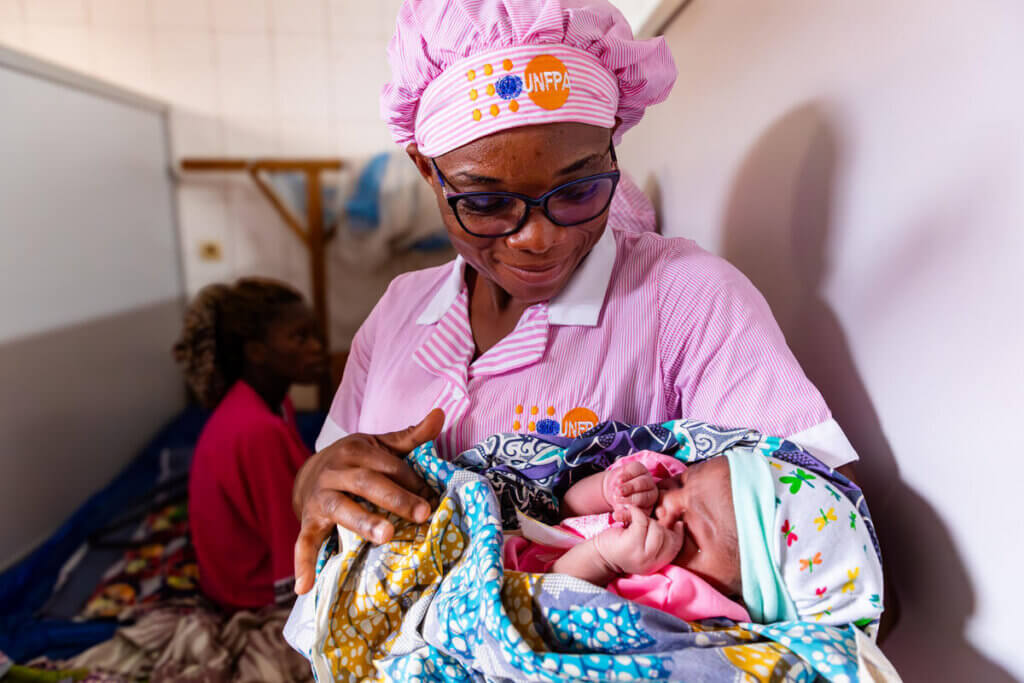
2025 was a year of profound loss.
The year began with the U.S. government abruptly withdrawing all funding from UNFPA, the United Nations sexual and reproductive health agency. More than $377 million in committed support for lifesaving healthcare was eliminated overnight.At the same time, the world didn’t slow.
Conflicts in Sudan, Gaza, Haiti, and Ukraine intensified. Climate disasters displaced millions. Acute hunger and malnutrition swept across dozens of countries. Women continued giving birth. Girls continued getting their periods—but the care they relied on was suddenly gone.
But then thousands of supporters like you stepped up to fill in the gaps.
With the launch of our 2025 Annual Report, we’re taking a retrospective look at all the challenges we faced in 2025 and the pockets of hope you made possible.
To see your full impact, click here to visit our Annual Report.
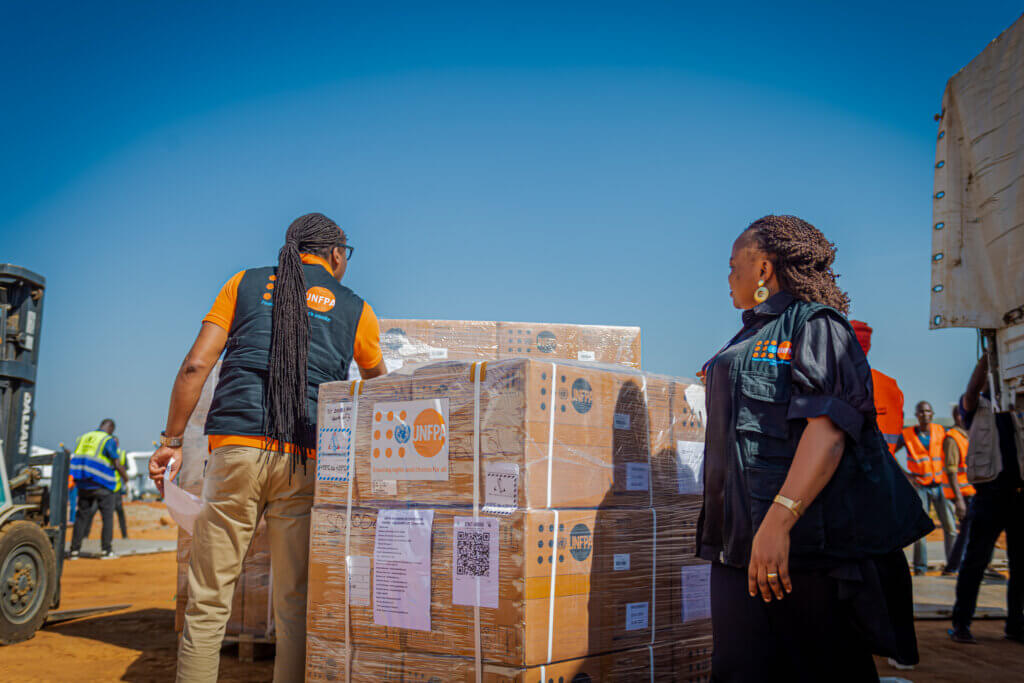
2025: By the numbers
More than one year after all U.S. government support for UNFPA was cut, the consequences of this loss of aid are measurable and severe.
In Ukraine, 640,000 women and girls have lost access to mental health support. In Afghanistan, women’s clinics serving 9 million women have closed. In Sudan, more than 1.1 million pregnant women have gone without prenatal and postnatal care. And across the world, another 12 million women and girls are on the brink of losing essential sexual and reproductive health services.
These losses are real and devastating. They mean a pregnant woman with a treatable birth complication won’t survive long enough to meet her child. They mean a woman who’s endured violence at the hands of a partner or loved one can’t access the mental health care she needs to begin the long process of healing. They mean more girls becoming pregnant before they’re ready, more families broken apart, more women and girls losing their futures before they’ve even figured out who they are.
But thanks to you, we remained in the world’s most pressing humanitarian crises and across the world.
While the world rolled back progress for women and girls, you stood steadfast and refused to leave them behind.
This is your impact. Together, we:
- Helped prevent 17 million women and girls from unintended pregnancies by providing contraceptives, resources and support.
- Safely delivered 749,000 babies in humanitarian crises
- Distributed 754,000 Dignity Kits containing menstrual products in 40 countries
- Prevented 38,000 maternal deaths
- Ran programs that prevented 260,000 girls from undergoing female genital mutilation
- Ran 1,400 safe spaces for people facing violence in 45 countries
Real names and faces stand behind each of those statistics. Here are some of their stories.
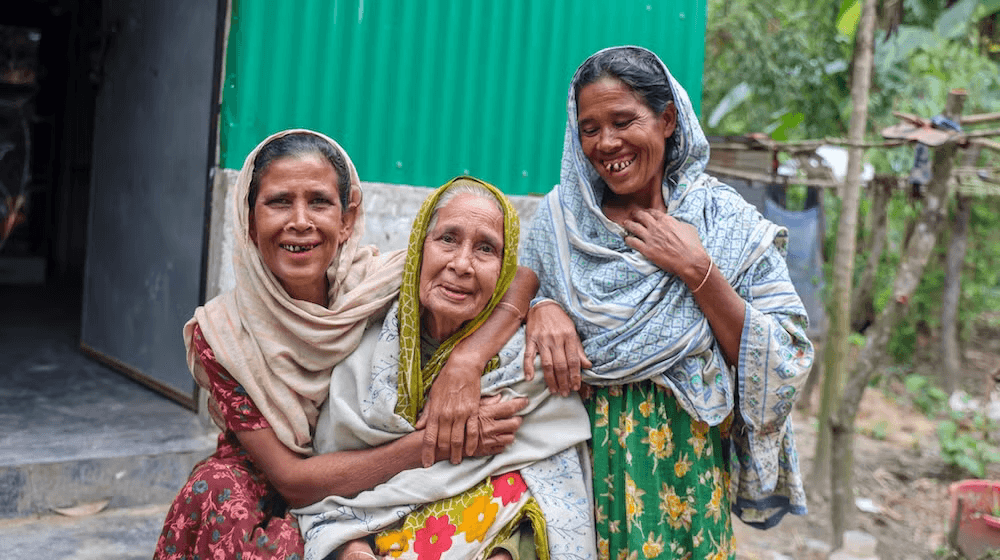
“They gave me my life back.”
When it was time to give birth to her second child, Jamila thought she knew exactly what to expect. Women in her village seldom sought out medical care when giving birth, so when the contractions began, Jamila stuck to her plan and stayed home.
But then came the severe, traumatic complications. After a long, obstructed labor, a hole was torn in Jamila’s birth canal—a birth injury known as an obstetric fistula. This injury often causes urine and feces to leak uncontrollably and requires surgery to fix it.
Jamila lived with her fistula for more than 20 years. Out of shame and humiliation, she withdrew from public life. Even her own granddaughter refused to go near her. But when she learned that her fistula could be repaired, she felt hope.
“At first, I was scared of what would happen to me. But their kindness, counseling, and stories of other recovered women gave me strength.”
Two free surgeries later, Jamila made a full recovery—and inspired her older sister, Jamena, to take action and repair the obstetric fistula she developed while delivering her first of seven children. With UNFPA’s assistance, Jamena also received treatment.
Today, both sisters are healthy and live openly in their communities again without fear or shame.

“Sometimes I need pads and soap more than I need food.”
After more than two years of war in Gaza, 90% of water and sanitation infrastructure has been either partially damaged or destroyed, and less than a quarter of the 10 million pads needed each month are available for the 700,000 women and girls who are of menstruating age.
For women and girls in Gaza, this is what each period looks like:
“My period started while I was in a crowded shelter. I only had one pad, so I wrapped it with toilet paper to make it last. I couldn’t wash, and the pain was horrible. I sat in silence crying until the end of the day,” one young girl shared.
“I tore my only shirt into pieces so my daughters could use them instead of pads,” said a father of four daughters.
“Every time my period comes, I wish I weren’t a girl,” one teenager shared, reflecting the deep shame, fear of leaks, and constant anxiety menstruating women and girls are currently facing in Gaza.
Your support reaches girls so they can manage their periods with dignity. Through Dignity Kits, we have distributed more than 300,000 two-month supplies of disposable pads since October 2023. We’ve also distributed menstrual supplies, cash, and vouchers to more than 150,000 women and girls, so they can purchase the things they need most—such as soap, new underwear, and towels.
“Food keeps us alive, but pads, soap and privacy let us live with dignity,” a displaced woman shared after receiving a Dignity Kit. “When we receive hygiene kits, it feels like someone finally sees us. They don’t just protect our health, they protect our dignity.”
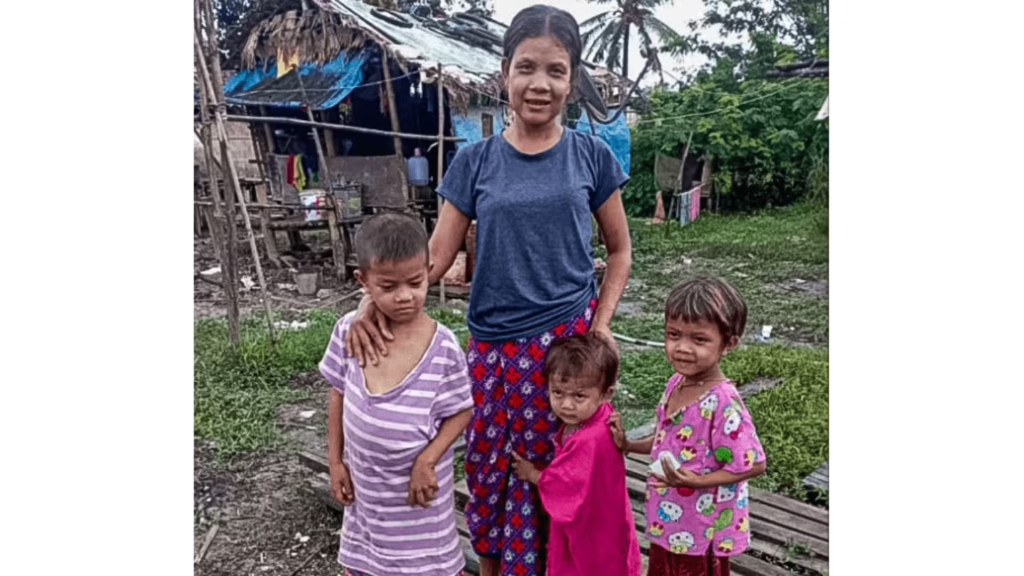
“I thought about family planning, but I couldn’t afford it.”
In the middle of Myanmar’s conflict-affected Kayin State, the price of basic needs has soared in recent years. Cooking oil has gotten expensive, rice supplies deplete more quickly, and visits to the clinic often require transportation costs that most families can’t afford. But despite her constant struggles, Ma Yu works hard every day to attend to the needs of her eight children—often at the cost of herself.
“I was trying to set aside money to attend to many family needs, but food comes first every day. I just couldn’t afford to look after myself. Then I became pregnant again.”
When it was time to deliver her ninth child, Ma Yu was stretched beyond her capacity. Her bamboo-and-tarp-patched home was vulnerable to strong winds and storms, and she had no money left to access medical care for a safe childbirth or contraception.
During a community outreach visit, UNFPA heard about Ma Yu’s situation and dispatched an emergency mobile health clinic. With skilled assistance, Ma Yu delivered her baby and was then offered any contraception of her choice, free of charge. Ma Yu decided on an implant that would last for several years. She also received financial assistance to repair her family’s hut so her newborn and children could sleep easier.
“I’m not afraid of another pregnancy. For the very first time in my life, I feel like I can control my life and plan for my future.”

Looking forward: 2026 and beyond
Despite losing so much funding in 2025, you helped us stay where we were needed most. But today, with crises such as Gaza, Ukraine, and Sudan now stretching past multi-year anniversaries, need for our lifesaving care is only increasing while emergency support is waning.
In 2025, we raised $12 million for women and girls—but it’s not enough. If we want to keep clinics, safe spaces, mobile health clinics, obstetric hospitals, and more open for those who need them, we need more support than ever before.
We must call on you once more to deliver lifesaving care to women and girls.
Will you continue standing with women and girls in 2026 and beyond by making a donation today?