The surprising history of birth control: from honey to a wild yam
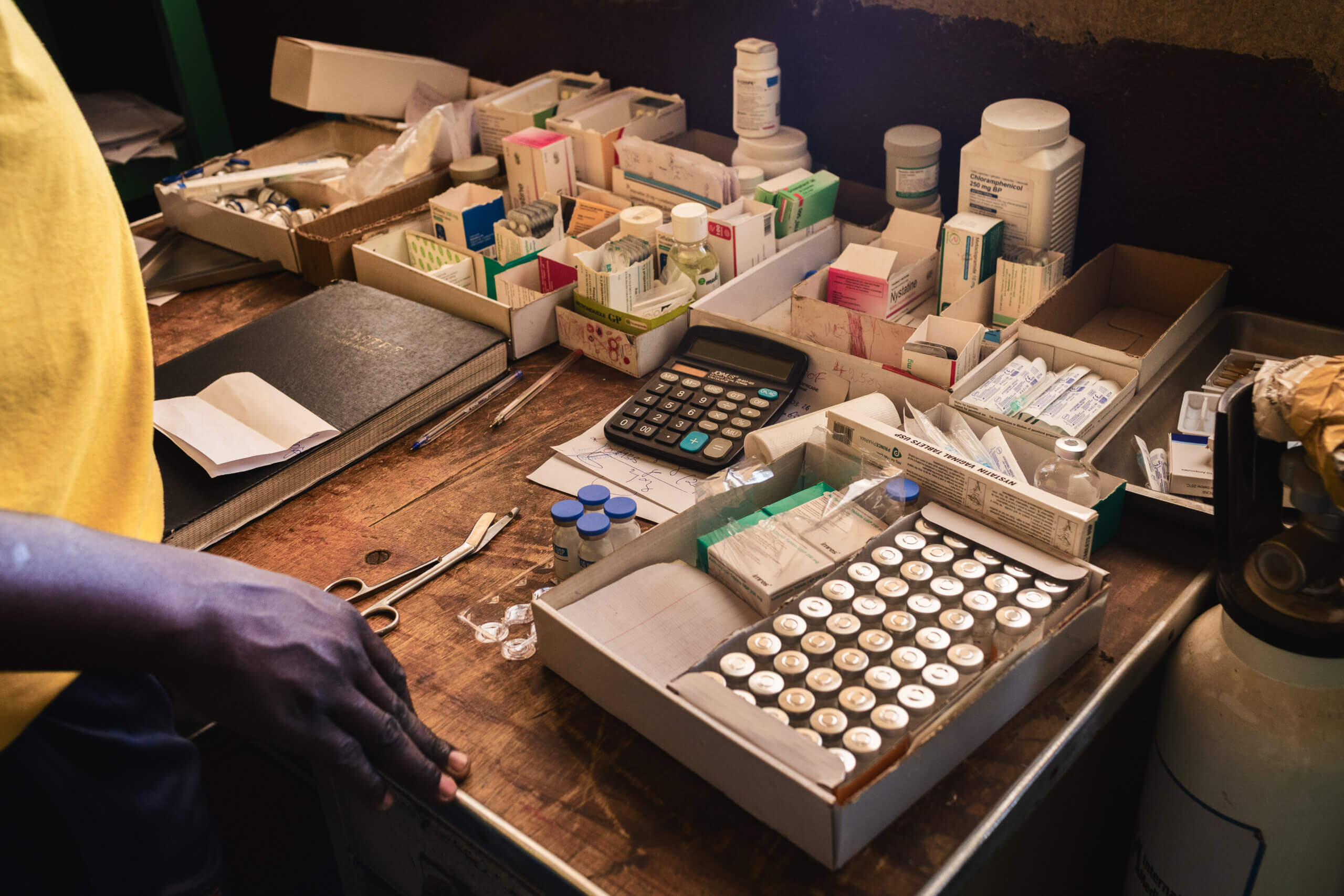
Did you know that one of the oldest forms of birth control was made from honey, almost 4,000 years ago?
Birth control isn’t a modern invention. People have been trying to manage their fertility for thousands of years—long before modern medicine made safe, reliable options possible. The earliest written contraceptive recipes we know of date back to 1550 BCE, and even then, the people writing them exhibited a remarkable understanding of reproductive health.
In this post, we’ll look at two pivotal moments in the history of birth control: ancient Egypt, where some of the earliest written contraceptive methods appeared, and mid-twentieth century Mexico, where a wild yam from a forest became the foundation of the modern birth control pill we know today.
Ancient Egypt: The world’s oldest birth control recipes
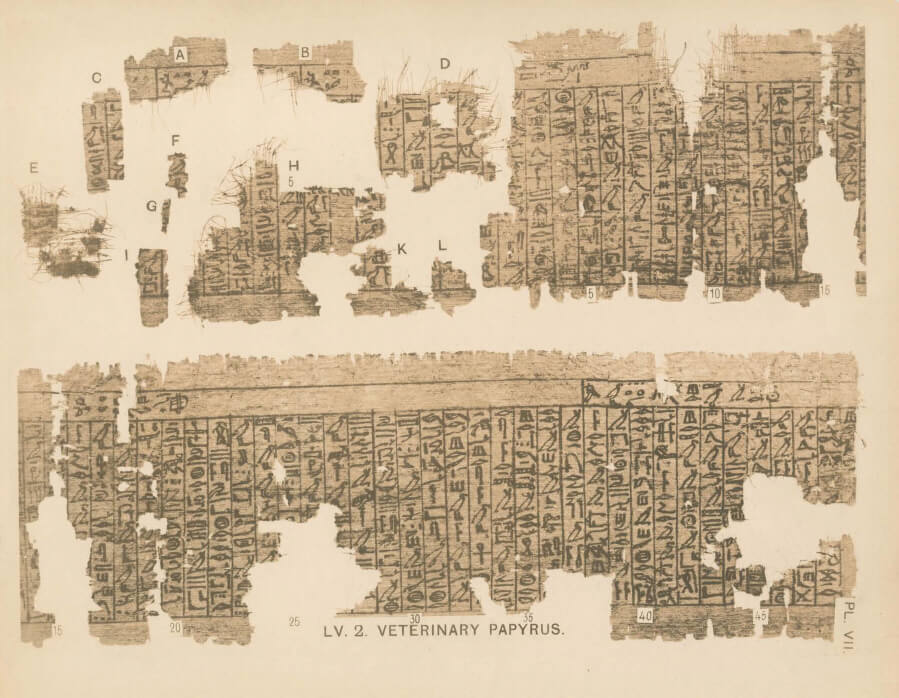
The ancient Egyptians are widely credited with developing papyrus— one of the world’s earliest writing surfaces derived from the pith (center) of the Cyperus papyrus plant. Some of the oldest and most important medical texts in human history were recorded on papyrus: the Ebers Papyrus (c. 1550 BCE) and the Kahun Papyrus (c. 1825 BCE). Written in hieratic Egyptian script, they contain hundreds of medical formulas and remedies covering everything from headaches and digestive issues to gynecological care.
Among those remedies were some of the earliest documented methods of birth control. The Ebers Papyrus describes a contraceptive recipe made from acacia leaves, honey, and lint, applied internally on a piece of wool or lint. The Kahun Papyrus describes contraceptive pessaries, which are prosthetic devices inserted vaginally, made from acacia gum, along with other recipes involving honey and natron, a naturally occurring salt. The logic behind these methods worked on three levels: a physical barrier, a chemical spermicide, and antimicrobial protection.
Honey is hygroscopic, meaning, it draws moisture out of cells. It also has mild antibacterial properties, which would have offered some protection against infection. Acacia gum, on the other hand, ferments into lactic acid, which lowers vaginal pH and immobilizes sperm. The wool or lint formed a physical barrier over the cervix, completing the full system.
That same lactic acid from the acacia gum is still used as an active ingredient in some contraceptive gels sold at pharmacies today. These methods are four thousand years apart, yet the chemistry hasn’t changed!
However, that’s not to say that the ancient Egyptians got all the science right. The papyri texts also listed unproven, unsafe, and ineffective methods of contraception, such as inserting pessaries made from crocodile dung, or extended breastfeeding to delay pregnancy.
For most of human history, available birth control methods were limited, inconsistent, and often unsafe. However, that changed in the 20th century, with a discovery that began in the forests of Mexico.
1940s to 1950s Mexico: How a wild yam became the modern birth control pill
The story of the modern birth control pill began in 1941. Not in a major pharmaceutical lab, but in the forests of Veracruz, Mexico.
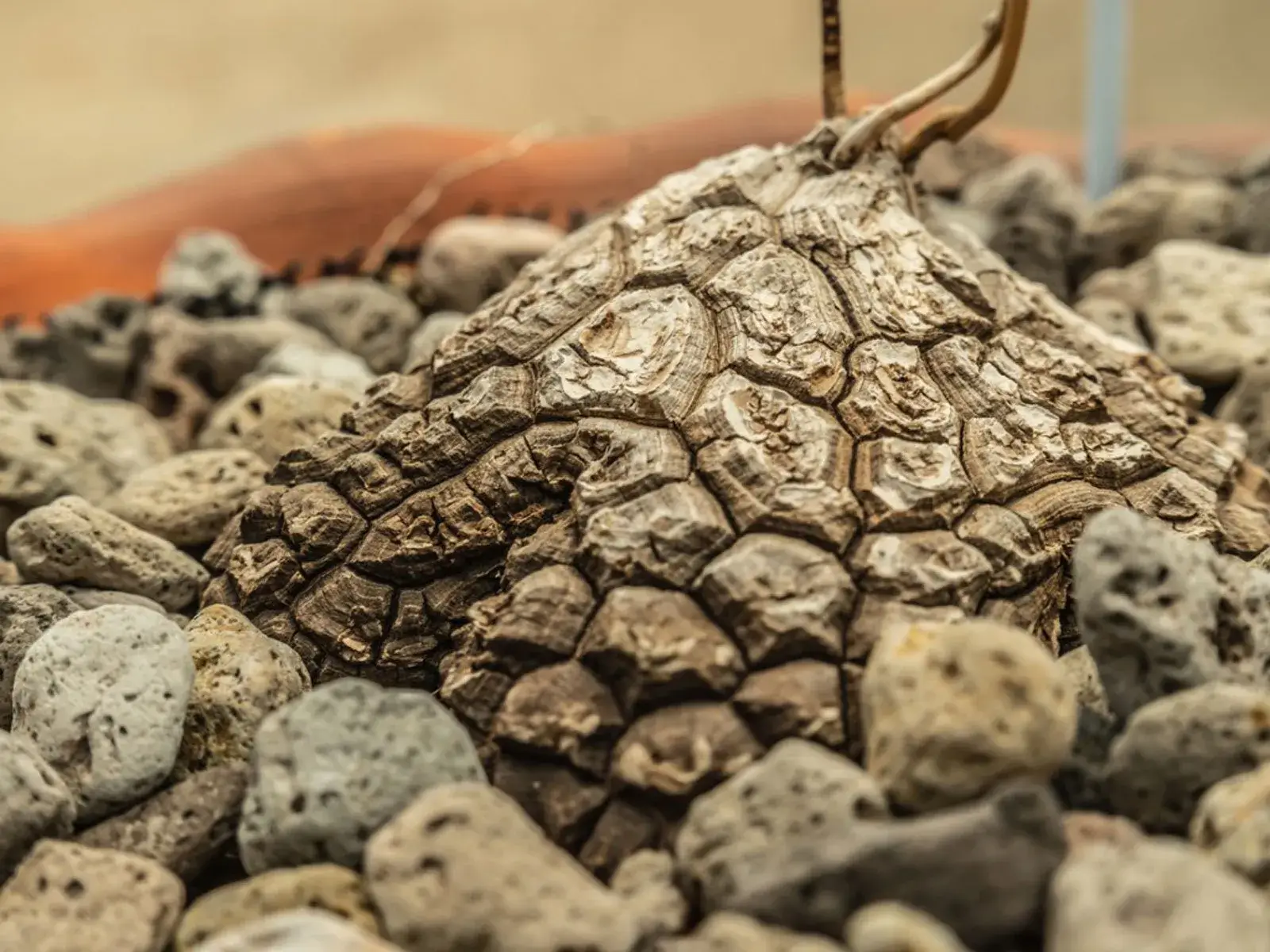
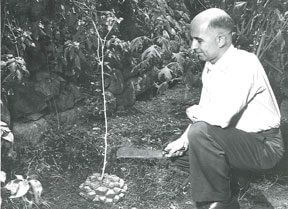
That year, an American chemist named Russell Marker was flipping through a botany textbook when he came across a picture of a wild yam called cabeza de negro—a member of the Dioscorea family that grew in eastern Mexico.
Marker had been searching for an affordable plant source of diosgenin, which is a compound that could be converted into progesterone, a cornerstone ingredient in most modern birth controls. Until that point, hormones had to be extracted from animal sources such as the ovaries of pigs or the urine of pregnant mares—but these methods were inefficient and couldn’t produce enough hormones to meet medical demand.
Marker traveled to Veracruz, where local communities had used the yam for generations to cure aching joints and stimulate the uterus. He brought the tuber (the thick, fleshy underground part of the plant) back to his lab at Penn State. There, he developed a five-step chemical process, now known as the “Marker Degradation” process, to convert the yams’ diosgenin into progesterone.
The experiment was a success—but unfortunately, U.S. pharmaceutical companies refused to commercialize Marker’s process. One executive stated that serious chemical work couldn’t be done in Mexico. So, Marker moved his work south of the border and proved them wrong.
In January 1944, he co-founded Syntex in Mexico City to manufacture hormones from the wild yam. The work continued, but soon stagnated. It wasn’t until nearly a decade later that the next major breakthrough happened.
On October 15, 1951, a 26-year-old Mexican chemistry student named Luis Miramontes at Syntex completed the first-ever synthesis of a progestin that could be taken as a pill.
Miramontes’s compound, called norethindrone, was eight times more potent than natural progesterone. But even more remarkably, norethindrone kept its potency when taken orally, instead of having to be injected like natural progesterone.
That compound became the active ingredient in the birth control pill we know today. The U.S. Food and Drug Administration approved it for use as an oral contraceptive in 1960, which and it’s been used by hundreds of millions of women since.
What this history tells us
From ancient Egypt to 1950s Mexico, the search for safe birth control has shaped human history for thousands of years.
The methods have changed dramatically: a paste of acacia and honey looks nothing like a modern pill or IUD, but the underlying need hasn’t.
Across eras and countries, people have always looked for ways to manage their reproductive health and futures. Now, our technologies have improved, and our science has advanced so significantly, that we have reversible, temporary birth control methods that are 99% effective.
However, in many parts of the world, the fundamental question still remains the same: Can I reliably prevent pregnancies?
For millions of women and girls, the answer is still no.
All of the scientific advances in reproductive health mean nothing if modern, safe contraceptives remain out of reach for the majority of the global population. That’s where USA for UNFPA comes into play.
About USA for UNFPA
As the United Nations sexual and reproductive health agency, we work in more than 150 countries to deliver sexual and reproductive healthcare to women and girls, including the places where care is hardest to reach.
We work alongside local healthcare providers to provide women and girls care at the hands of those who do it best—because pregnancy and childbirth don’t pause during a war, a flood, or a displacement.
At its core, the history of birth control is a history of people figuring out how to take charge of their own reproductive lives. From ancient remedies to modern medicine, safe reproductive health and the chance to choose if and when to have children is a right that everyone deserves. And at USA for UNFPA, we work to provide that choice to everyone, every day.