The hunger crisis during a season of abundance
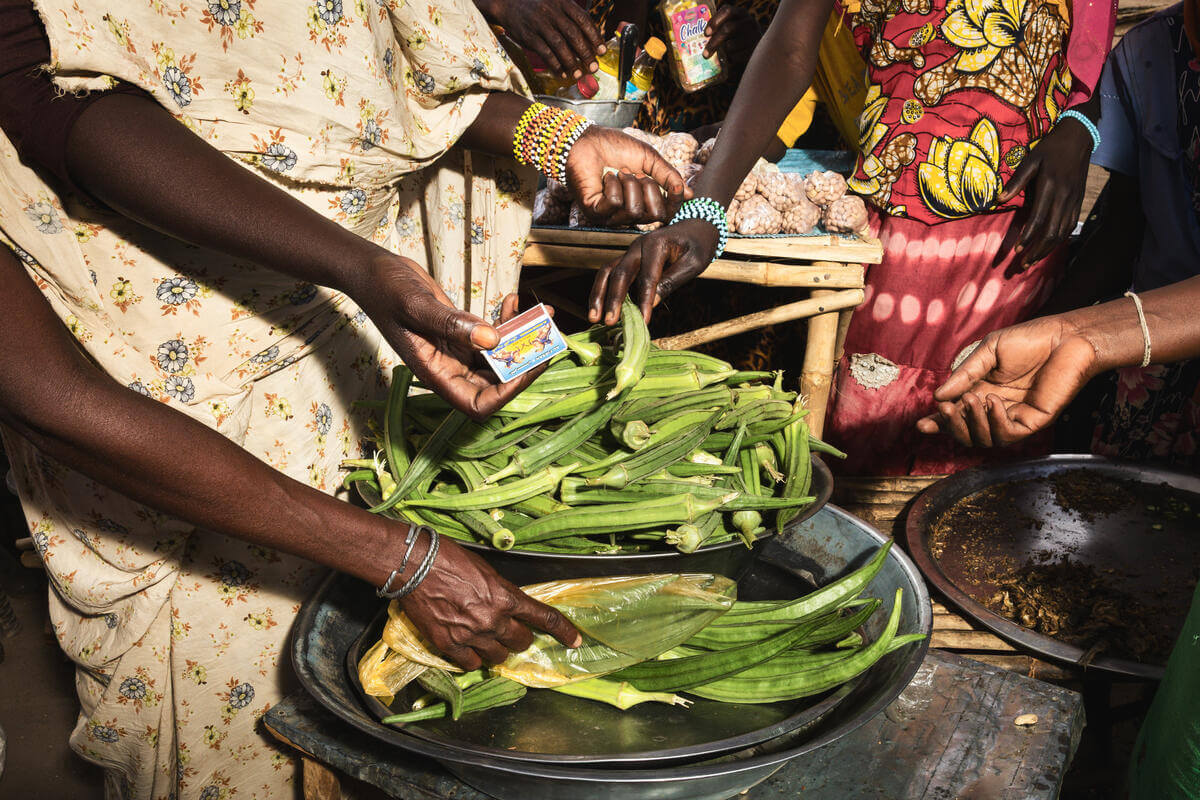
While Americans gather around dinner tables and share meals with their loved ones this week, millions of women and girls enduring the global hunger crisis will go without. In 2025, 266 million people in 47 countries and territories faced high levels of acute food insecurity, with 1.4 million experiencing the most severe level of hunger. Preliminary projections for 2026 show no major improvement.
Among the hardest-hit areas are Gaza, Sudan, and Yemen. Famine was declared in parts of Gaza and Sudan in 2025, and a risk of famine in 2026 was identified in Sudan, South Sudan, Gaza, and Somalia.
Extreme hunger has a direct, devastating impact on the reproductive health and futures of women and girls.
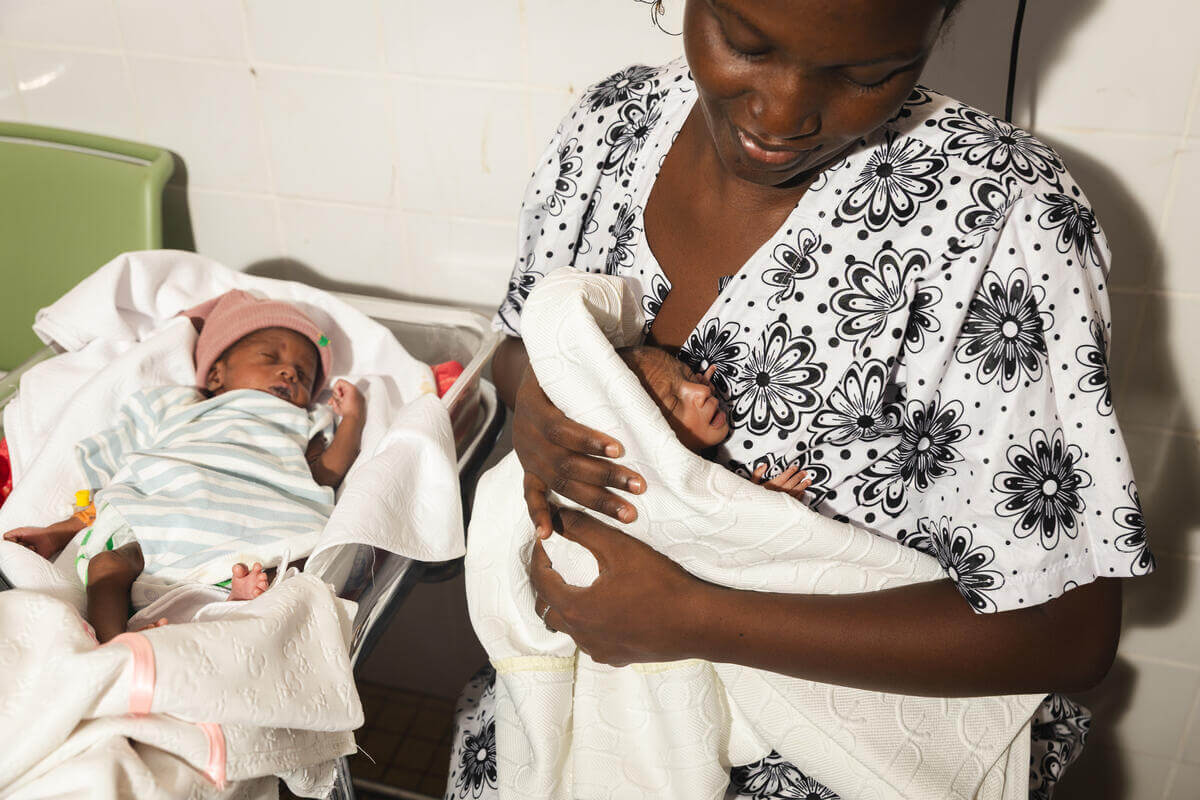
For pregnant women going without adequate nutrition, hunger significantly increases the risk of life-threatening complications such as anemia, preeclampsia, stillbirths, miscarriages, gestational diabetes, and more. Their babies are also at increased risk of being born prematurely and in need of advanced medical care to survive.
Because women and girls are taught to eat last and least during crises as part of their duties to care for the household, they are hit disproportionately hard by hunger. Their safety is also at risk; hunger causes rates of violence and violent acts against women to rise.
Here are some of the women and girls enduring the global hunger crisis.
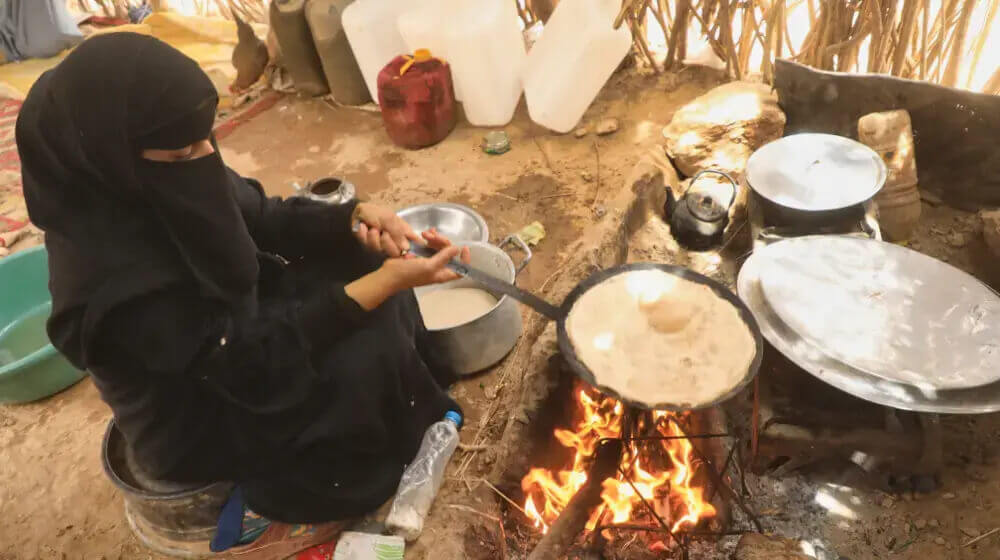
Hunger robs futures from girls in Yemen
Yemen is facing one of the most severe hunger crises in the world. About 18.3 million people are facing acute food insecurity, including more than 2.2 million children under five who are acutely malnourished and 1.3 million pregnant and breastfeeding women.
Young mothers and their babies are among those facing the brunt of harm from Yemen’s hunger crisis. According to Reham, a UNFPA safe space counselor, “We are witnessing a noticeable increase in cases of malnutrition among pregnant girls, especially those married at an early age.”
She added, “Many arrive at health facilities suffering from low weight, anemia, and severe exhaustion, and their bodies are often not prepared to handle the demands of pregnancy.”
One of those girls is Donia, who, at just 19, is caring for her two-year-old daughter while also eight months pregnant. She had dreams of finishing school and becoming a teacher—but at eight years old, she was pulled out of school because her tuition was too high. Seven years later, she was married to an older man.
Malnourished and weak, her pregnancy has been extremely difficult. Securing enough food for her and her family consumes her every thought: “Sometimes I go to bed hungry, thinking about what I will feed her the next day.”
When she came to a UNFPA health center, she was relieved to find medical staff who took her and her baby’s health seriously. But the work you make possible goes beyond addressing her immediate needs.
Donia also enrolled in literacy classes at a UNFPA safe space, so she can continue her education in a safe and supportive environment. Today, she’s determined to finish what she was forced to abandon.
“If things were different, I would continue my studies, pursue my dream of becoming a teacher, and provide a better life for my children and family,” she said.
In 2025, we reached 1.5 million women and girls in Yemen with reproductive healthcare and supported nearly 80,000 safe births across 72 health facilities.
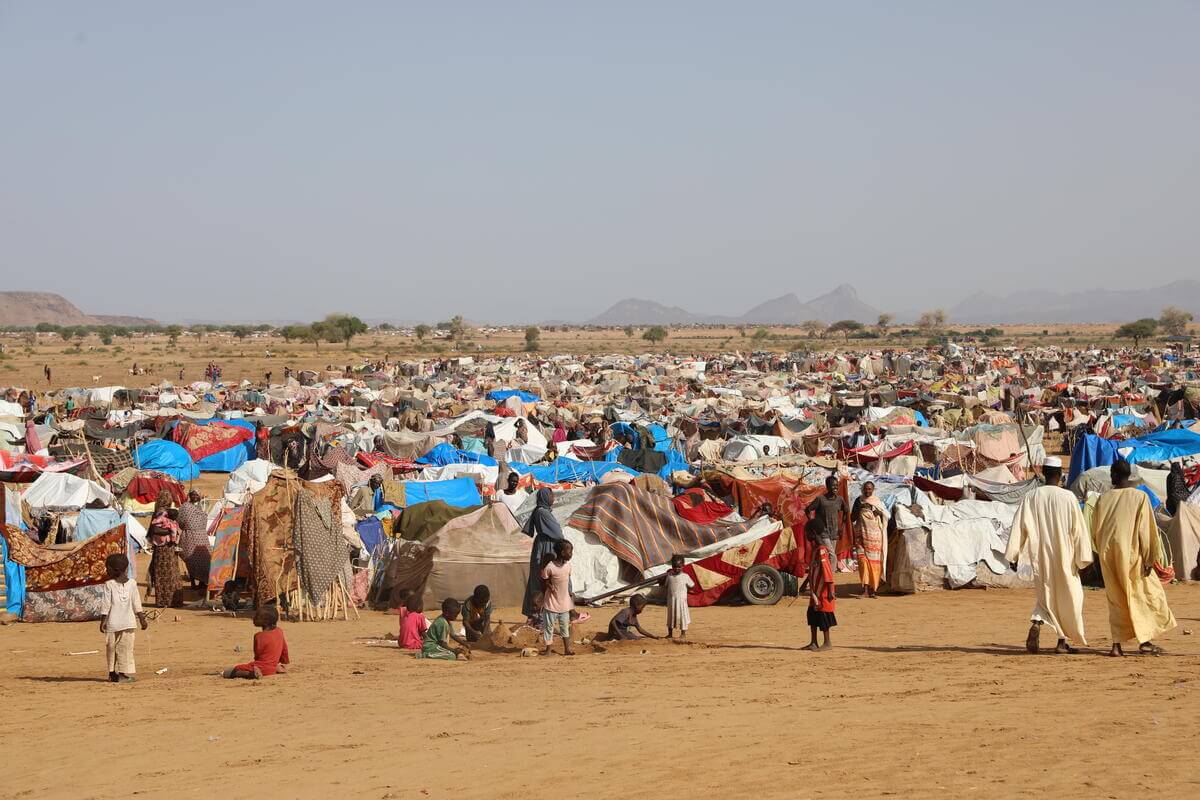
Surviving in displacement camps in Sudan with little food
After years of war, 19.5 million people in Sudan are facing high levels of acute food insecurity, with 135,000 of them facing the most severe level of hunger. And according to an October alert, the risk of famine in large areas of Sudan has increased due to drought, failed harvests, and displacement.
About 4.2 million of those suffering from acute malnutrition are children and pregnant or breastfeeding women. In overcrowded displacement camps, the price of food and basic necessities has skyrocketed due to high demand.
Mona, a displaced mother who has survived over 1,000 days of war in Sudan, shared that in her camp, “A kilo (2.2 pounds) of sugar costs about 40,000 SDG (about $12). Prices in Kadugli are unbearably high.”
But women have no choice but to try to make the astronomical prices of food work. Another displaced mother, Anna, put their situation simply: “We could not take anything from our homes. We left with nothing but our lives.”
We’re on the ground in Sudan’s displacement camps–some of which have a population higher than Washington, D.C.–bringing mobile health clinics to women and girls facing acute hunger, violence, and pregnancy complications. Between January and July 2026, your generosity helped UNFPA reach 421,574 people in Sudan with reproductive healthcare, from midwives in mobile clinics to supplies for safe births.
The link between hunger and child marriage
The impacts of hunger go far beyond the immediate toll they have on a person’s physical body. In places facing the compounded impacts of hunger and war, scarcity is causing violence and violent acts against women and girls to flourish. In Gaza, the war is reversing decades of progress made in reducing child marriage. A UNFPA study in March found 71% of respondents in Gaza reported increased pressure to marry girls under 18.
Generations of women and girls will feel the impact of the war and famine that swept across Gaza from August to December of 2025. One of those married too young was Safa*.
Safa fled from one shelter to another after her family home was destroyed. “There was no privacy, no food and no safety,” she told us. “My pregnant mother grew weaker every day, and I was also sick from malnutrition.”
Her family decided to marry her to an older man, hoping it would lighten their own burden and provide her with safety and the resources they couldn’t. Such an act has become far too common in crisis zones across the world.
“I agreed to marry at 15 because he had a house, and I thought it would mean safety and stability.” But soon, Safa realized the future she had been sold was a lie.
“There was no house, no celebration, only a tent. I felt older than my years, carrying responsibilities that were too heavy for me. Now I am waiting for a child in a damaged room, after everything we lost.”
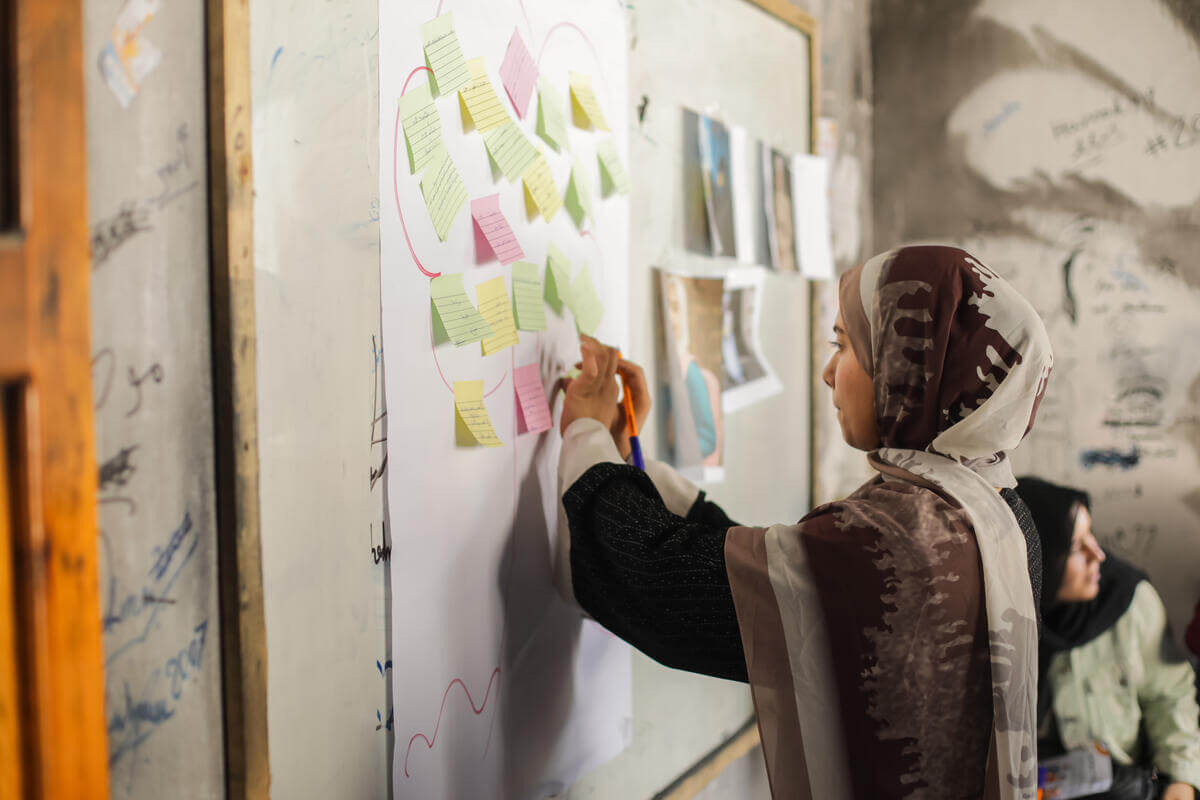
Safa found community at a UNFPA girls’ safe space. There, she met other girls in her situation, engaged in activities aimed at lowering stress, and also received life skills training.
Yasmine, a young volunteer at the safe space, said, “The girls’ tent is important not just because it focuses on teenage girls, but because it promotes self-care in such tough times. The large turnout and great questions showed how much this support is needed.”
Thanks to our supporters, UNFPA supports 20 safe spaces, 15 youth hubs, and 11 girls’ tents across Gaza.
How your Giving Tuesday gift makes a difference
From displacement camps in Sudan to a girls’ tent in Gaza, women and girls enduring the hunger crisis are finding care, support, and community because of you.
Your gift sends midwives and mobile health clinics to women in displacement camps and areas where hospitals have stopped functioning. It stocks clinics with the supplies needed for safe births and gives malnourished pregnant women the prenatal care they need. It also keeps safe spaces open, where girls like Safa can find support and women like Donia can return to the classroom.
But the need is outpacing the response. In 2025, funding shortfalls forced UNFPA to cut the number of health facilities it supports in Sudan in half. Without more support, more clinics and safe spaces will close.
This Thanksgiving, as you gather with the people you love, we’re grateful for you. Your generosity reaches women and girls in some of the most dire situations, at the moments they need it most.
Giving Tuesday is December 1. Make your Giving Tuesday gift today and stand with women and girls surviving the hunger crisis.