GAZA & THE WEST BANK
Nearly three years into the war in Gaza, women and girls are still surviving dire conditions. Even with the fragile ceasefire in place, most people have lost their homes or businesses, and essential services like hospitals, health centers, and schools remain damaged or destroyed. Most crossings into Gaza are still closed, and harsh restrictions on the entry of goods, including medical supplies, children’s formula, and fuel, mean far too little aid is getting through.
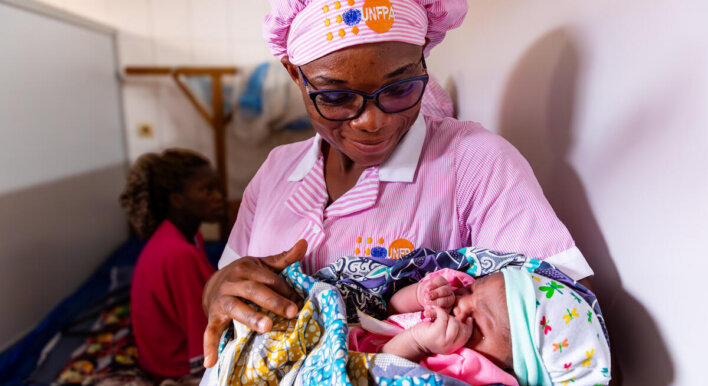
With around 50,000 pregnant women in Gaza and up to 180 births happening every day, the need for quality maternal care remains urgent. Yet only about one-third of hospitals are partially functioning.
Acute bed shortages mean women are often discharged just hours after major procedures, returning to tents in overcrowded displacement sites where they face heightened risks of complications and infection.
Every summer, the displaced population must battle dehydration through the blazing heat. Every winter, they shiver through wet nights and struggle to avoid hypothermia.
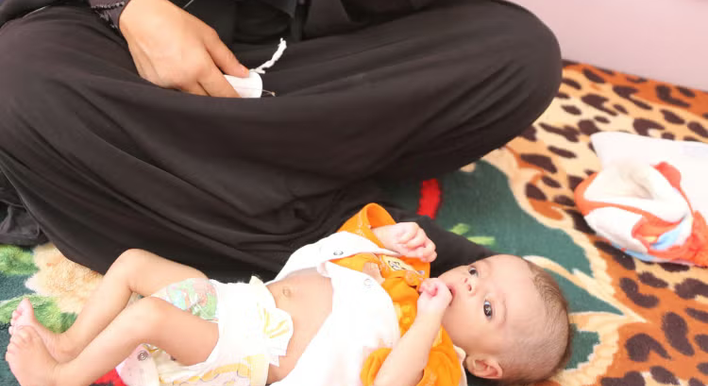
Around 70% of babies in Gaza are now born too soon or too small, and one in three pregnancies is high-risk. However, UNFPA, the United Nations sexual and reproductive health agency, is working to change that.
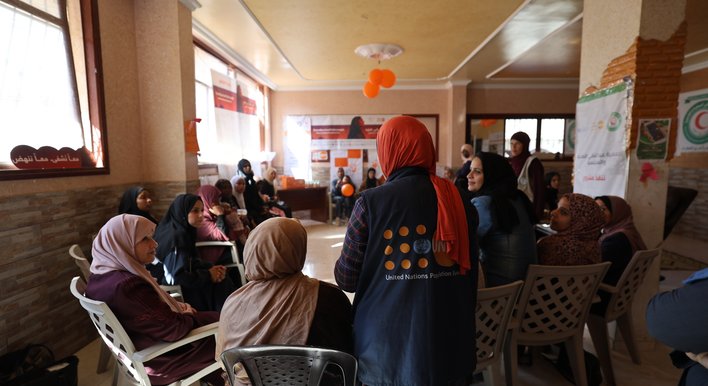
Across Gaza and the West Bank, UNFPA teams are delivering lifesaving support. In the first few months of 2026 alone, they reached an estimated 150,000 people with reproductive healthcare and 137,000 with violence prevention and youth programs—all by reopening clinics, safe spaces, youth centers, and getting supplies and equipment to hospitals.
Still, the toll on women and girls keeps climbing.
Reports of violence against women are now at high severity levels, affecting over half of the communities being monitored, and child marriage is rising sharply as families search for ways to cope. Teen birth rates have more than doubled compared to before the war. Family separation is affecting nearly half of those communities too, leaving an estimated 57,000 women-headed households to survive without stable income or support.
We must do more for women and girls in Gaza and the West Bank—but we rely on the generosity of our donors. Click the button below to make an emergency donation for women and girls in Gaza and those surviving crises around the world.
Updated September 18, 2026